
Siding plays an important role in protecting a home from wind, rain, temperature changes, pests, and moisture. It also contributes heavily to curb appeal and can influence energy efficiency when it works together with insulation and weather-resistant barriers. Over time, however, siding can crack, warp, loosen, fade, rot, or suffer impact damage. Some problems can be corrected with targeted repairs, while others indicate that replacement may be the better long-term choice. Knowing how to tell the difference can help homeowners avoid unnecessary expenses while protecting the structure. A qualified siding contractor can evaluate the condition of the exterior and help determine whether repair or replacement makes the most sense.
Assessing the Extent of the Damage
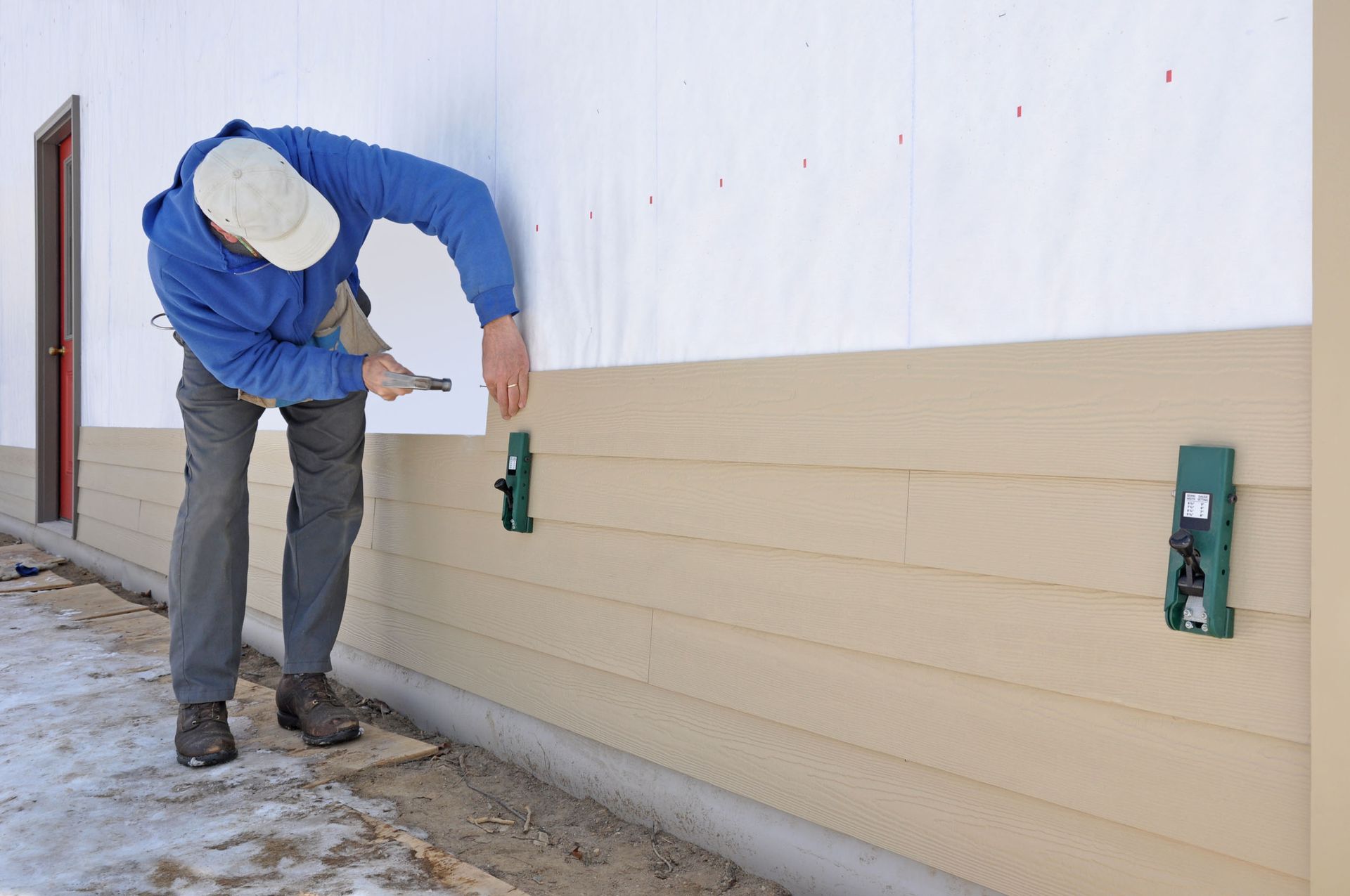
One of the first things to consider is how widespread the siding damage has become. A few cracked panels, loose boards, or small damaged sections may be relatively simple to repair, especially if the surrounding material remains in good condition. Localized damage caused by a fallen branch, lawn equipment, or a minor storm does not always justify replacing an entire exterior. If matching materials are available, individual pieces can often be removed and replaced without disturbing large portions of the wall.
Replacement may be more practical when damage appears across multiple sides of the home or affects a large percentage of the siding. Widespread warping, cracking, deterioration, or loose panels can indicate that the material is approaching the end of its useful life. Repairing one section after another can eventually become more expensive and less efficient than starting over. A siding contractor can inspect the full exterior instead of focusing only on the most visible problem areas, which can provide a clearer picture of the siding’s overall condition.
Checking for Moisture and Rot
Moisture problems are especially important because damaged siding can allow water to reach the materials underneath. Wood siding may soften, swell, or rot after prolonged exposure, while gaps behind other siding materials can permit water to affect sheathing or framing. Stains, peeling paint, musty odors, and soft areas around damaged panels may point to moisture intrusion. If water has entered behind the siding, simply patching the outer surface may not address the entire problem.
Small areas of moisture damage may still be repairable when they are discovered early and the underlying structure remains sound. However, extensive rot, repeated leaks, or damage to sheathing can make replacement a more appropriate option. The moisture source must also be corrected so the problem does not return. A siding contractor can help identify whether damage is limited to the exterior material or whether parts of the wall assembly need additional attention before new siding is installed.
Evaluating the Age of the Siding
The age of the siding can influence whether repairs are worthwhile. Different siding materials have different expected service lives, and factors such as climate, maintenance, installation quality, and exposure can shorten or extend how long they perform well. Newer siding with isolated damage may be a good candidate for repair because the surrounding material still has many years of useful life remaining. In that situation, replacing one or two sections can restore appearance and function without a larger project.
Older siding presents a different decision. Even if only a few areas currently look damaged, nearby panels may be brittle, faded, or weakened enough that additional problems are likely to appear soon. Repairs can also be difficult when manufacturers no longer produce an exact color, profile, or material. If replacement parts cannot be matched successfully, patched areas may remain obvious. In these cases, homeowners may decide that full replacement provides a more consistent appearance and avoids repeated repairs over the next several years.
Watching for Rising Maintenance Needs
Frequent maintenance can be a sign that siding is becoming less economical to keep. Homeowners may notice that boards repeatedly need repainting, caulking, fastening, or patching. Individual repairs may not seem expensive, but recurring service calls and ongoing maintenance can add up over time. If the same issues continue returning despite proper upkeep, the siding may no longer be providing dependable protection.
Replacement can reduce some maintenance demands, particularly when homeowners switch to materials designed for lower upkeep. According to Fixr, new siding can strengthen a home’s protection, enhance curb appeal, improve energy efficiency, and increase resale value, while mid-range siding materials can provide an 80% to 90% return on investment. Those potential benefits can make replacement more appealing when existing siding requires frequent work. A siding contractor can compare the likely cost of continued repairs with the investment required for a new exterior.
Looking for Signs of Structural Problems
Some siding damage may point to deeper issues rather than simple surface wear. Panels that repeatedly buckle, separate, or shift may indicate improper installation, movement in the wall system, or problems with the substrate beneath the siding. Bulging sections can sometimes result from trapped moisture or failing sheathing. In other cases, gaps around windows and doors may suggest that siding has moved enough to affect weather protection.
When structural or installation problems are suspected, repairs should address the cause rather than only the visible symptom. Reattaching a loose panel may not help if the wall behind it is deteriorated or the original fastening method was incorrect. A siding contractor can inspect the underlying components and determine whether damaged areas can be corrected individually or whether a larger replacement project is needed to restore proper performance.
Comparing Repair and Replacement Costs
Cost is often one of the biggest factors in the decision. Repair is usually less expensive upfront when damage is limited, and replacement material is readily available. Homeowners may be able to replace a handful of panels, repair trim, or address a specific damaged corner without making changes to the rest of the exterior. This approach can be sensible when the siding is otherwise in good condition, and the repair is unlikely to lead to additional work soon.
Full replacement requires a larger initial investment, but it may provide better value when the siding is old, heavily damaged, or inefficient. Repeated repairs can become costly if new problems continue appearing. Replacement also allows contractors to inspect and address underlying weather barriers, sheathing, and insulation that may not be accessible during a small repair. Homeowners should compare both immediate and long-term costs rather than choosing solely based on the lowest initial price.
Considering Appearance and Home Value
Appearance can also influence whether repair or replacement is the better choice. Sun exposure and weather gradually change the color of siding, which means even a new replacement panel may not match an older surrounding surface. Small differences may be acceptable in less visible areas, but noticeable patches on the front of a home can affect curb appeal. If several sections are faded, stained, or mismatched, replacing the siding may provide a cleaner and more consistent exterior.
Homeowners preparing to sell may also weigh the appearance and condition of siding more heavily. Damaged or aging exterior materials can create a negative first impression and may raise questions about maintenance elsewhere on the property. New siding can give the home a refreshed appearance while improving protection. A siding contractor can help homeowners compare repair options with replacement materials, colors, profiles, and expected maintenance needs so the final decision supports both practical and aesthetic goals.
Deciding whether to repair or replace damaged siding depends on the extent of the damage, the presence of moisture or rot, the age of the material, ongoing maintenance needs, structural concerns, project costs, and the appearance of the home. Small, isolated problems can often be repaired effectively, while widespread deterioration or repeated failures may make replacement the more economical long-term solution. Evaluating the entire exterior instead of focusing only on one damaged section can help homeowners make a more informed choice. When the condition of your siding is unclear, a siding contractor can assess the damage and recommend an appropriate next step. For professional help with siding repairs or replacement, contact MGS Construction LLC.

Share On: