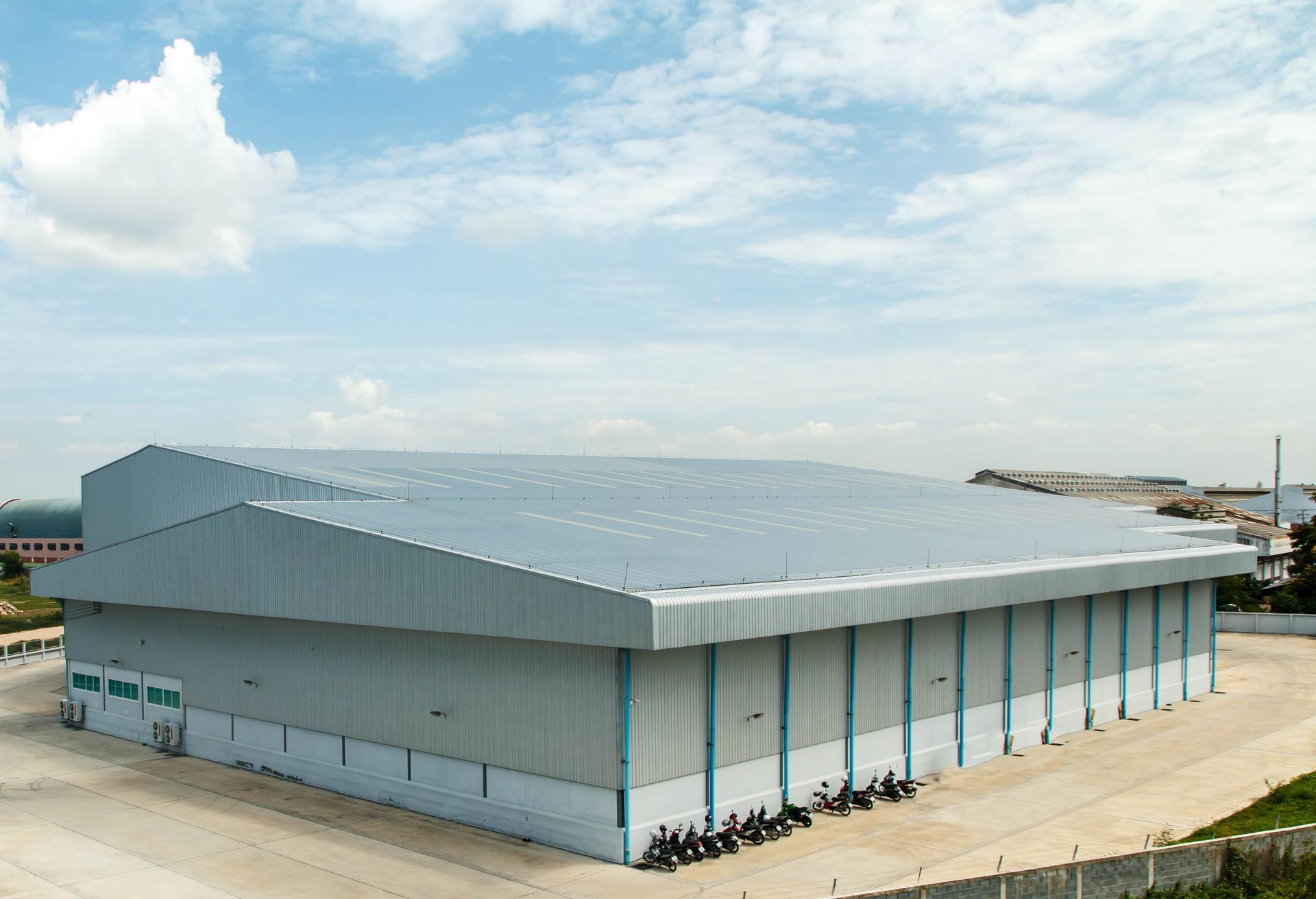
The long-term structural integrity and financial security of any commercial property depend heavily on the performance of its roofing system. Spanning expansive footprints, flat and low-slope commercial roofs endure continuous exposure to extreme temperature swings, intense ultraviolet radiation, heavy pooling rain, and accumulated environmental debris. Despite fulfilling this critical protective role, commercial roofing systems are frequently neglected until active interior leaks disrupt daily business operations, damage inventory, or compromise ceiling structures. Failing to maintain these assets leads to accelerated material degradation, high emergency repair bills, and premature system failure. Relying on experienced local roofers to establish a structured, proactive maintenance program transforms roof care from an unpredictable emergency expense into a manageable, long-term capital investment. By identifying physical vulnerabilities early and performing minor repairs systematically, building managers protect their real estate assets, lower operational costs, and guarantee a safe, comfortable interior environment for tenants and employees.
Core Benefits of Proactive Maintenance Systems
Transitioning from a reactive repair strategy to a structured preventive maintenance program provides substantial financial and operational benefits for commercial property owners. Rather than waiting for catastrophic water intrusion to force emergency service calls, preventive care focuses on routine inspections, seam re-sealing, and proactive drainage clearing. According to ServiceTitan, 94% of the commercial roofing market is made up of roof replacements. This staggering statistic highlights how frequently building owners allow preventable degradation to destroy their roofing substrates prematurely. Implementing a scheduled maintenance schedule with licensed local roofers breaks this costly replacement cycle, extending the functional lifespan of single-ply membranes, built-up asphalt, and metal roofing assemblies by a decade or more.
Postponing a complete tear-off and replacement delivers massive financial savings, preserving capital for core business expansion and property improvements. Beyond direct material savings, proactive care stabilizes energy consumption. When roof membranes remain intact, underlying insulation stays dry, maintaining its design thermal resistance and preventing HVAC overwork during seasonal temperature spikes. Furthermore, commercial building warranties issued by major material manufacturers explicitly require documented routine maintenance. Partnering with reputable local roofers to maintain detailed inspection logs ensures full compliance with warranty terms, guaranteeing that material defect claims are honored without dispute.
Essential Inspection Procedures and Seasonal Tasks
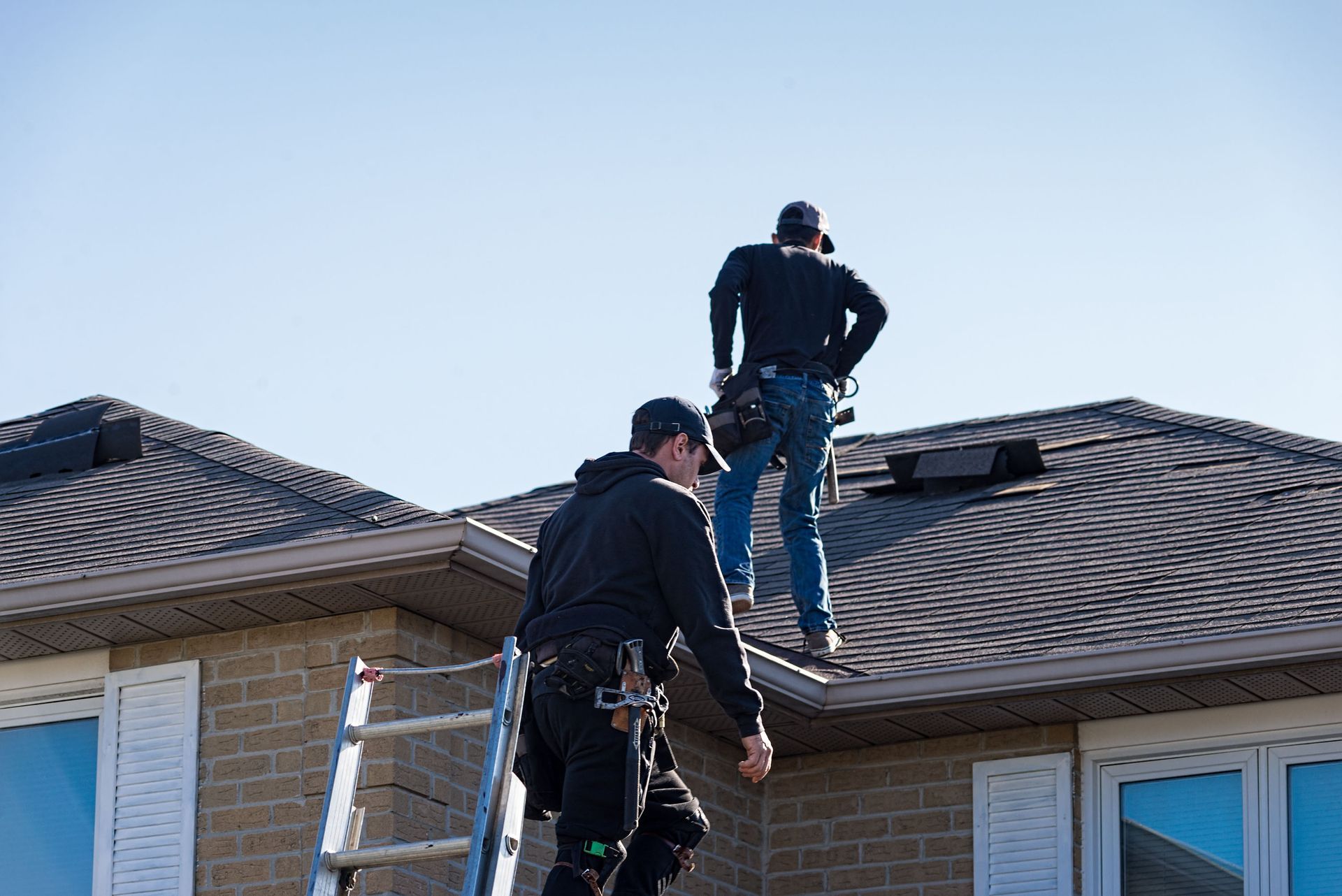
A comprehensive commercial maintenance regimen begins with detailed bi-annual inspections, ideally conducted during early spring and late autumn, as well as following major windstorms or severe precipitation events. Trained local roofers systematically examine high-stress areas across the roof plane, focusing closely on perimeter flashings, expansion joints, parapet walls, and equipment curbs. Technicians check for open membrane seams, blistered asphalt, rusted metal fasteners, and degraded caulking around roof penetrations like HVAC ducts, plumbing vents, and skylights. Identifying microscopic membrane splits before water reaches the underlying insulation prevents widespread internal rot and structural deck corrosion.
Clearing environmental debris from the roof surface and drainage infrastructure represents another crucial maintenance duty. Accumulated leaves, dirt, windblown trash, and gravel can clog scuppers, internal drains, and downspouts, causing water to pool across flat roof sections. Prolonged standing water adds thousands of pounds of dead weight to structural supports, degrades membrane seams, and promotes algae growth that eats away at protective coatings. Engaging professional local roofers to clean drainage pathways, wash away organic buildup, and replace worn sealant caps guarantees that rainwater sheds rapidly, maintaining structural safety and preventing internal leaks during torrential downpours.
Strategic Service Selection and Financial Planning
Developing an effective maintenance plan requires tailoring protocols to match the specific roofing material, building age, local climate conditions, and commercial usage. A distribution warehouse with heavy rooftop foot traffic requires different protective measures than a light industrial facility exposed to chemical exhausts or organic oils. Building owners should allocate approximately one to two percent of the total building value annually toward routine roof preservation. Budgeting for minor repairs, elastomeric re-coatings, and professional inspections prevents the sudden financial shock of emergency capital expenditures while maintaining steady operating expenses year after year.
Selecting the right service partner is critical to maximizing the return on your maintenance investment. Property managers should hire licensed, fully insured local roofers who possess extensive commercial experience, specialized manufacturer certifications, and strong local client references. Experienced commercial contractors bring specialized safety equipment, infrared moisture-detection cameras, and advanced diagnostic tools to every site visit. Working with dedicated local roofers guarantees rapid response times during regional storm emergencies, ensuring that your commercial facility receives priority service when weather hazards threaten your building's integrity.
Recognizing Failure Indicators and Operational Hazards
Property owners and facility managers must remain vigilant for early physical indicators that signal an impending roof failure. Indoors, signs like water-stained ceiling tiles, peeling wall paint, musty odors, or sudden spikes in monthly heating and cooling bills point directly to saturated insulation and compromised roof membranes. On the roof surface, visible warning signs include cracking, membrane tenting, missing gravel surfacing, or persistent standing water that remains forty-eight hours after rainfall. Promptly contacting qualified local roofers upon noticing these warning signs prevents localized moisture intrusion from spreading across the entire substrate.
Integrating Smart Sensors and Automated Roof Monitoring Systems
As commercial building management embraces digital transformation, integrating smart sensor technology into preventive maintenance programs offers unprecedented protection against sudden roof failures. Wireless moisture sensors, thermal imaging arrays, and automated drain monitors embedded beneath the roof membrane provide continuous, real-time data on your building's structural health. These smart systems immediately detect microscopic moisture intrusion, temperature anomalies, and drainage blockages, transmitting instant alerts to facility managers before water ever penetrates interior ceiling tiles or damages sensitive inventory.
Combining automated sensor monitoring with routine physical inspections performed by local roofers creates a dynamic, highly responsive maintenance framework. Rather than waiting for bi-annual checks to discover hidden leaks, real-time data allows technicians to pinpoint exact failure locations instantly, performing surgical repairs with minimal disruption to business operations. Smart monitoring also compiles comprehensive historical data regarding thermal performance, structural stress, and moisture levels over time. This predictive data enables building owners to schedule targeted maintenance, optimize energy efficiency, and precisely forecast long-term roof replacement timelines, maximizing return on investment while ensuring total property protection.
Ignoring minor roof defects carries severe operational and legal risks that can quickly compromise a commercial property's safety and financial viability. Unaddressed water leaks cause severe wood rot, steel deck rust, and electrical wiring shorts, creating major fire and structural hazards that threaten everyone inside the building. Furthermore, persistent moisture intrusion fosters toxic black mold growth within wall cavities, severely threatening indoor air quality and exposing building owners to severe regulatory penalties, OSHA code violations, and costly tenant litigation.
Taking a proactive approach to commercial roof preservation prevents minor seam cracks and flashing gaps from escalating into catastrophic structural emergencies. Beyond avoiding structural damage and legal liabilities, maintaining a well-sealed roof preserves interior climate control, reduces monthly HVAC energy demands, and prevents unexpected operational downtime that can derail business productivity. Establishing a comprehensive, professional maintenance agreement protects your building, preserves your financial assets, and ensures long-term operational success for decades to come.
Partnering with experienced, certified commercial roofing specialists ensures that every phase of care—from infrared moisture diagnostics and drain clearing to emergency leak response—is handled with precision and quality craftsmanship. When you are ready to safeguard your commercial property with expert inspections, durable repairs, and proactive care, trust the proven team at MGS Construction LLC to deliver exceptional craftsmanship and lasting protection tailored to your exact property needs.

Share On: