
Severe weather events wreak immense havoc on residential properties across the nation. High winds, torrential rain, and massive hail bombard homes, leaving behind subtle signs of destruction. While some forms of destruction appear obvious, underlying structural issues remain concealed from casual observation. Identifying these concealed problems requires trained eyes and a rigid systematic approach. Extreme weather compromises exterior defenses in ways that demand professional scrutiny.
Homeowners overlook subtle signs of material deterioration. For this reason, roofers play a critical role in preserving the structural integrity of residential dwellings. These professionals utilize extensive field experience to uncover hidden issues that evade the untrained observer. Prompt identification prevents minor exterior leaks from developing into catastrophic structural failures. Understanding the meticulous methods used by experts helps property owners appreciate comprehensive post-storm evaluations.
Inspecting the Attic for Moisture Infiltration
The assessment process begins indoors, distant from harsh exterior elements. Professionals enter the uppermost level of the house to search for subtle signs of water intrusion. A dark environment reveals an abundance of facts about the condition of the protective barrier above. Exposed wooden beams and laid insulation provide crucial clues regarding the recent extreme weather impact. Examining the interior space forms a foundational step in damage detection.
Water stains on the wooden decking indicate active overhead moisture leaks. Discoloration points to vulnerable areas where driving rain penetrated exterior defenses. Damp insulation loses thermal resistance and serves as a prime breeding ground for toxic mold. Contractors inspect these building materials to trace the exact path of intruding water back to the source. Moisture mapping requires patience and meticulous attention to structural detail.
Sunlight shining through wooden boards serves as a clear indicator of external breaches. If natural light enters the dark attic space, moisture possesses the ability to enter as well. Such structural openings result from missing materials or shifted components on the exterior surface. Identifying these dangerous structural gaps prevents future precipitation from causing devastating internal ruin. Sealing these breaches stops relentless water from decaying the wooden framework.
Proper attic ventilation ensures the extended longevity of the roof. Blocked vents trap excessive heat and humidity inside the residential structure, exacerbating storm-related wood deterioration. Experienced roofers evaluate continuous airflow to confirm the space breathes without restriction. Adequate circulation prevents internal condensation from masking or worsening damage caused by recent severe weather. Maintaining optimal airflow preserves the structural integrity of the roof.
Examining the Shingles for Surface Deterioration
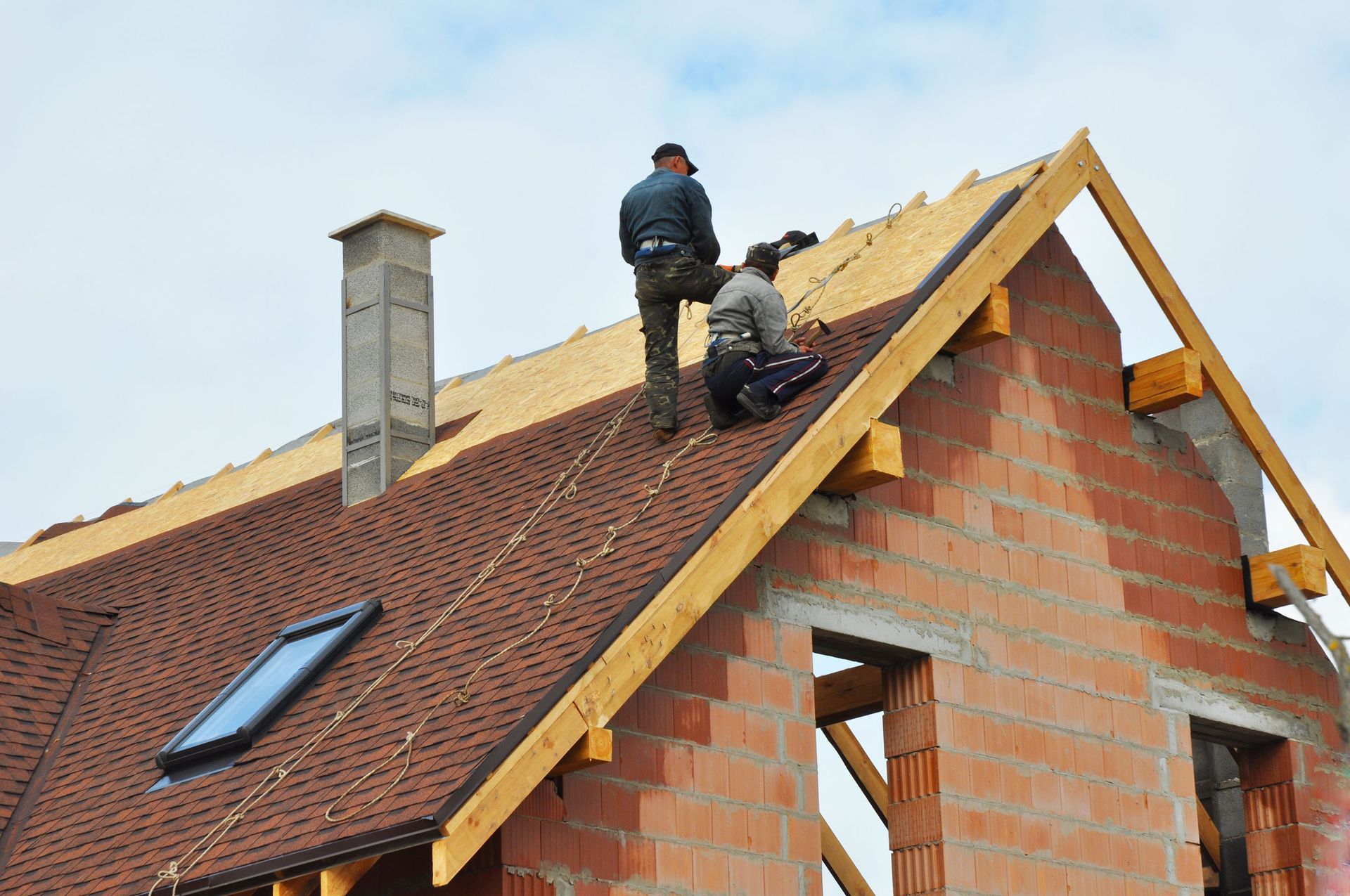
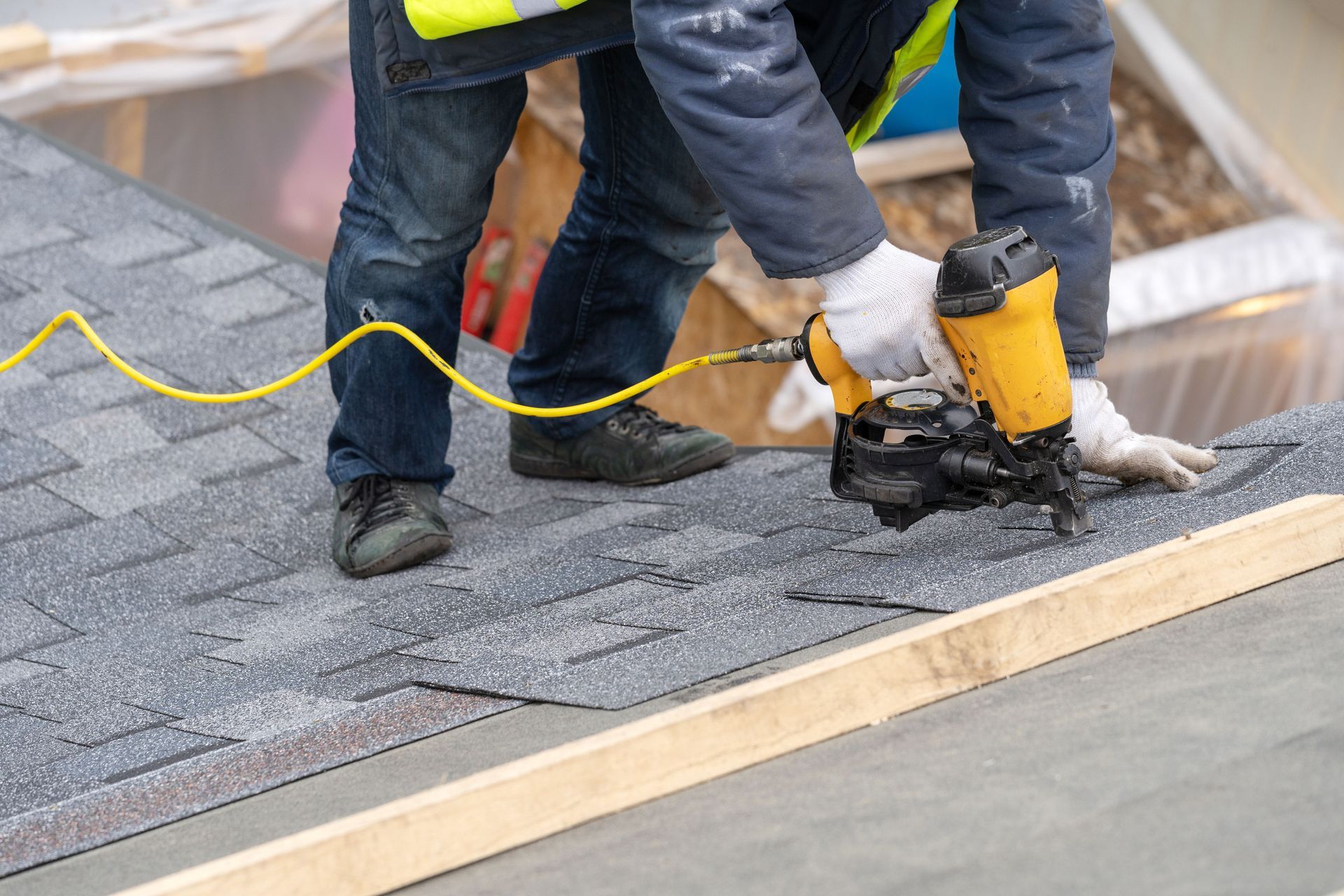
Moving to the exterior, rigorous evaluation shifts to the primary protective layer. Assessors scan the expansive surface for obvious physical defects caused by extreme natural elements. Gale-force wind uplifts specific vulnerable sections, snapping fragile seals that hold materials flat against the slope. Such intense uplift forces leave the underlying felt underlayment exposed to subsequent rainfalls. Compromised surface barriers demand urgent intervention to prevent massive structural rot.
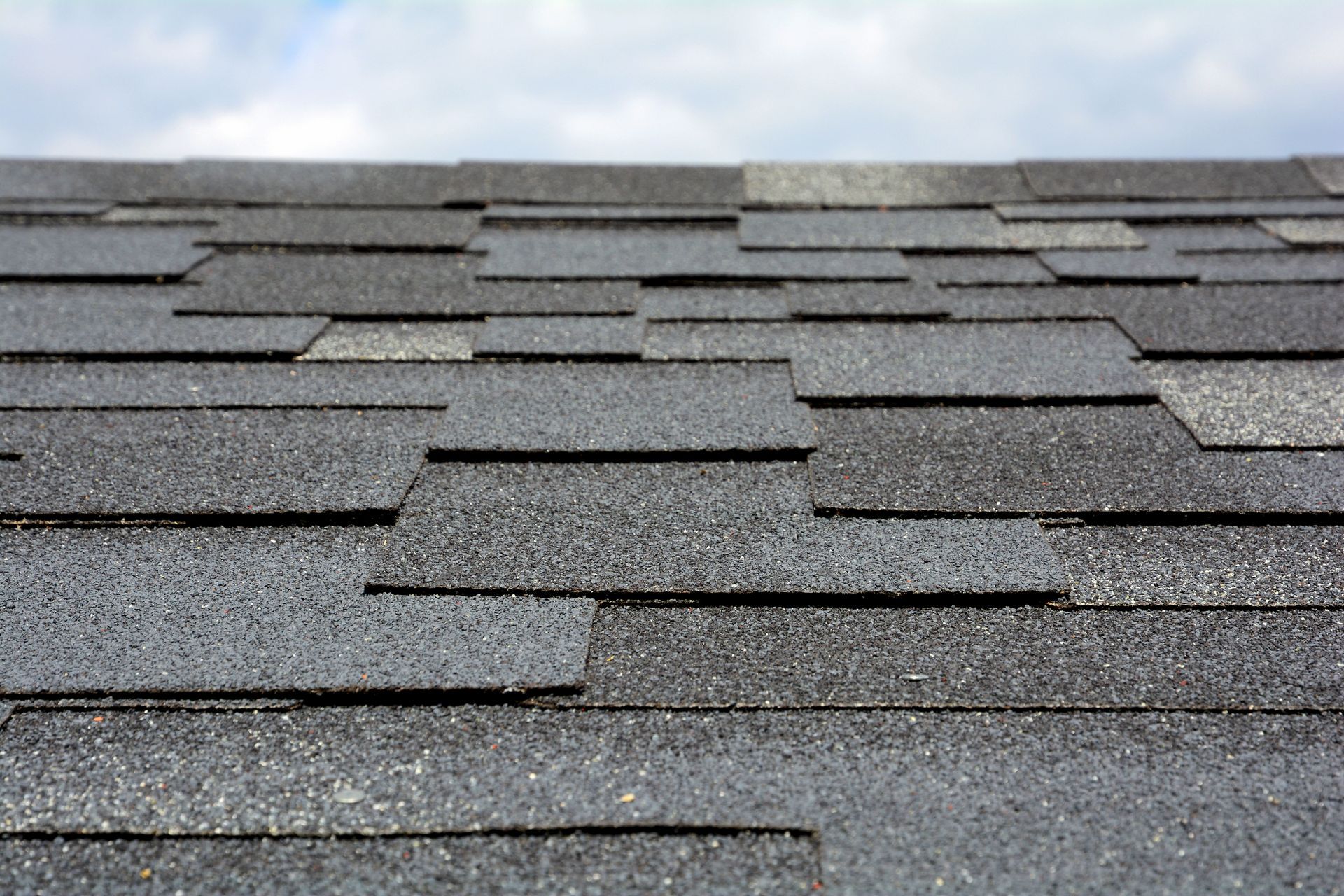
According to Ruby Home, approximately 75% of roofs are made with asphalt shingles. This widespread material suffers specific types of degradation during severe weather events. Hail impacts dislodge crucial protective granules embedded within the textured surface. Without these essential granules, harsh ultraviolet rays degrade the underlying fiberglass layer at a rapid pace. Material breakdown leads to widespread system failure during future unpredictable storms.
Professionals rub bare hands along the rough exterior surface to feel for hidden bruised areas. A bruised section feels soft and pliable, indicating fractured fiberglass matting beneath the visible layer. These hidden structural fractures compromise the vital ability of the material to shed standing water. Left unaddressed, bruised sections develop into interior leaks over time. Identifying structural bruising requires tactile sensitivity and profound material knowledge.
Creased or folded surface sections demand urgent professional attention. High winds bend exposed tabs backward, creating a permanent structural crease along the top edge. These creased tabs possess a high probability of detaching during subsequent severe weather events. Removing and replacing damaged sections restores the continuous structural defense of the residential dwelling. Ignoring creased materials guarantees future structural vulnerability and extensive interior property water damage.
Checking the Flashing for Structural Weakness
Valleys and structural intersections represent vulnerable points on any residential dwelling. Galvanized metal strips bridge awkward gaps between sloping planes and vertical brick walls. These metallic defenses direct pooled water away from prone structural joints and masonry chimneys. Severe storms warp or dislodge these crucial metallic components, breaking the vital watertight seal. Compromised structural intersections allow invasive water to bypass primary exterior surface barriers.
Seasoned roofers scrutinize industrial sealant running along critical metallic edges. Extreme environmental temperature shifts and pounding rain cause standard caulking to crack and peel away. A degraded adhesive seal allows rainwater to seep behind protective metallic defensive barriers. Resealing these complex structural joints forms a vital step in comprehensive residential property restoration. Fresh industrial sealant prevents insidious moisture from rotting the underlying wooden skeletal framework.
Masonry chimneys require specialized inspection approaches due to unique structural characteristics. Hardened masonry mortar holding heavy bricks together crumbles under constant harsh environmental stress. Assessors evaluate metallic step flashing woven into the brickwork for spreading rust and metal separation. Any flashing separation at this critical junction invites falling water to travel deep into the living space below. Securing metal chimney flashing prevents devastating internal home damage.
Skylights and exhaust ventilation pipes feature similar metallic borders requiring rigorous physical inspection. Wind-blown heavy debris strikes vulnerable roof protrusions, denting protective metallic collars. A dented metallic collar loses its tight grip around the plastic ventilation pipe, allowing moisture to slip down the open shaft. Examining every distinct protrusion ensures no structural entry point remains vulnerable to future precipitation. Thorough inspection protocols leave no exterior fixture unchecked or unsealed.
Assessing the Gutters for Debris Accumulation
The exterior drainage system acts as the ultimate structural defense mechanism for any home. Aluminum drainage channels attached to eaves collect massive water runoff and direct it away from the foundation. Severe regional storms fill open channels with fallen leaves, broken branches, and dislodged material granules. A clogged metal channel forces stagnant water to back up under wooden eaves. Overflowing stagnant troughs cause extensive wooden fascia board decay.
Professionals scoop out accumulated debris from the trough to examine wet resting sediment. A high concentration of detached asphalt granules in metal troughs confirms severe exterior surface degradation above. Trained roofers use this physical granular evidence to corroborate visual findings from prior surface inspection. The presence of excessively washed granules indicates the impending end of the material's functional lifespan. Excessive continuous granule loss precedes total exterior surface failure.
The physical structural integrity of metallic drainage channels warrants rigorous attention. Heavy wet debris or rushing stormwater causes metallic troughs to sag and pull away from the wooden fascia board. Sagging metal channels fail to maintain the necessary downward pitch for proper liquid drainage. Standing stagnant water inside the metal trough accelerates the spreading of rust and attracts unwanted nesting pests. Straightening warped metal channels restores proper drainage functionality.
Vertical downspouts must carry collected stormwater clear of the concrete structural foundation. Assessors check for impenetrable blockages and severe structural disconnections within vertical plastic drainage pipes. Water pooling near the vulnerable base of the house threatens the concrete foundation block and floods underground basements. Ensuring clear water passage through the comprehensive drainage network protects the structural property. Effective ground drainage routing prevents catastrophic ground-level foundation settling.
Local roofers provide profound peace of mind through meticulous structural examination and targeted repair. By executing thorough exterior inspections, diligent roofers safeguard residential dwellings against subsequent severe weather events by restoring vital defensive capabilities. Regular physical assessments of the home's materials after severe weather ensure the home's structural longevity and unyielding durability. A secure and resilient residential dwelling stands ready to face future unpredictable environmental challenges with steadfast structural integrity. If you suspect hidden storm damage, let our experienced roofers inspect your home today. Contact us at MGS Construction to schedule a comprehensive evaluation and safeguard your property.

Share On: