Ensuring the longevity and safety of your business infrastructure starts with one essential element: the roof. Commercial roofing plays a critical role in protecting the structural integrity of buildings, safeguarding operations from potential disruptions caused by environmental factors. Partnering with a reliable commercial roofing company ensures that your facility remains structurally sound and fully protected. Not only does a well-maintained roof add to a building's aesthetic appeal, but it also prevents costly repairs and extends the lifespan of the overall structure. Moreover, a quality roof acts as a vigilant guard against various damages, ranging from water seepage to thermal stress. Business owners should consider roofing as a crucial investment, as it provides peace of mind and supports uninterrupted business operations.
1. Longevity and Durability
1.1 Long-Term Cost Savings
Investing in a durable roof from the outset can lead to significant long-term cost savings. Commercial roofs designed for longevity require less frequent repairs, reducing maintenance expenses over time. Working alongside an experienced commercial roofing company allows business owners to choose system specifications tailored to their specific financial goals. In addition, a robust roofing solution can withstand environmental stresses and diminish the likelihood of sudden, costly structural failures. By choosing high-quality materials and expert installation, business owners can enjoy a longer-lasting roof without the worry of frequent replacements. The initial investment in a superior roofing system often pays off in savings, enhancing the financial planning of any business.
1.2 Materials Suitable for Business Environments
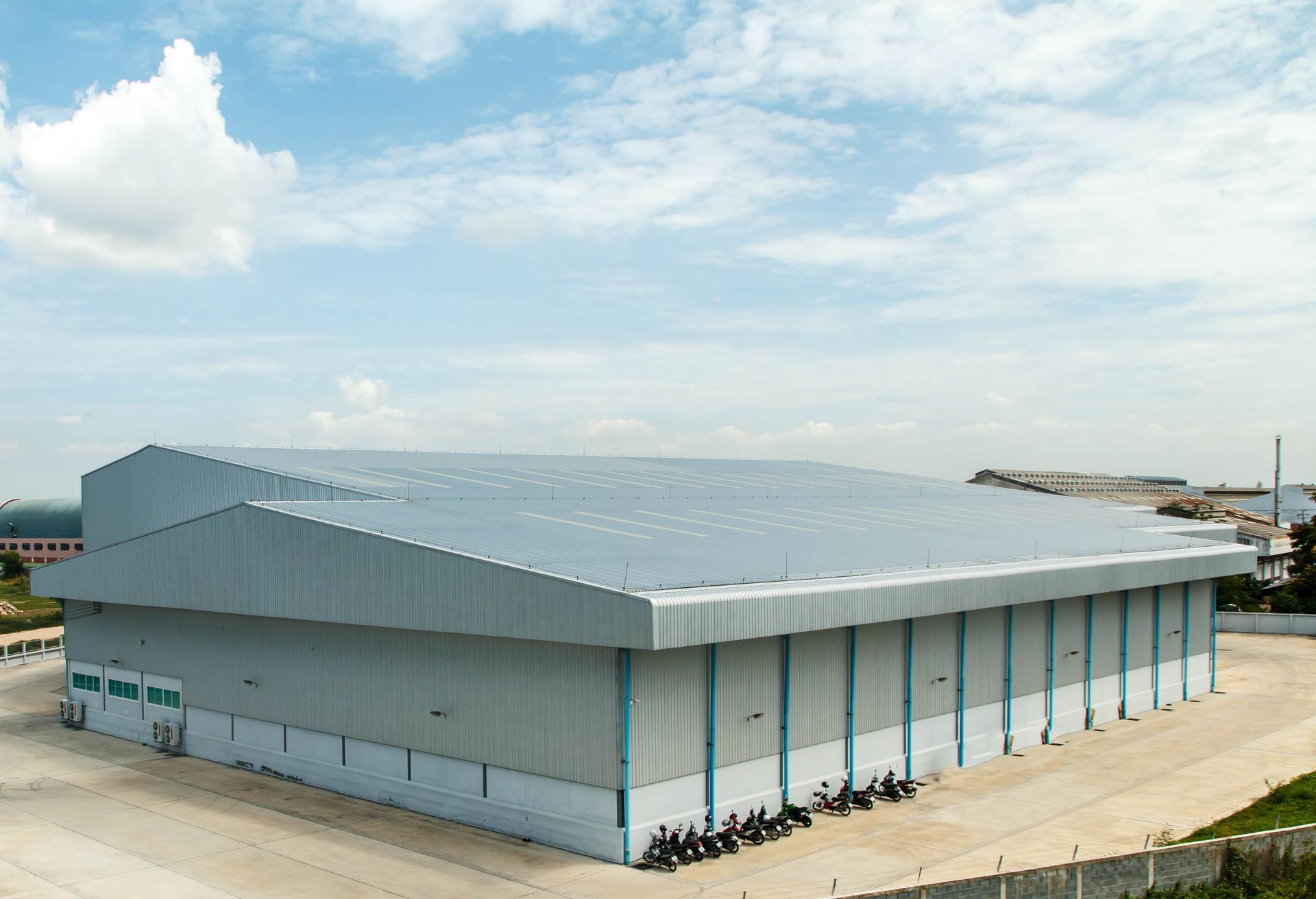
Selecting appropriate roofing materials is vital for ensuring the durability and functionality of commercial roofs. Popular options include metal roofing, which is the second-most common material for both residential and commercial applications, according to This Old House, owing to its strength and longevity. Other materials such as EPDM (ethylene propylene diene monomer) and TPO (thermoplastic olefin) are designed to handle different conditions while providing energy-efficient benefits. A professional commercial roofing company can guide building managers through selecting the precise single-ply or multi-ply solutions best suited to their facility. The choice of materials should consider local weather patterns, structural load requirements, and future expansion possibilities. Business owners must weigh these factors to select the most suitable materials for their specific needs.
1.3 Weather Resistance
A market-leading commercial roof is characterized by its ability to withstand extreme weather conditions. Extreme wind, heavy rain, and harsh sunlight can all challenge a roof's integrity, but weather-resistant materials provide year-round protection. Metal roofs, for example, are lauded for their resilience against storms and high winds, making them ideal for commercial settings. Built-up roofing systems also offer excellent weather resistance, with layers that provide thermal insulation and moisture protection. A roof's strength and durability under adverse weather conditions help protect both the physical structure and the business operations housed within.
1.4 Structural Integrity
A well-designed roof not only shields a building from external elements but also contributes significantly to its structural integrity. The roof framework must support additional load from environmental factors like snow or water accumulation without compromising the building's stability. Special engineering considerations are made in commercial settings to reinforce architectural stability and reduce the risk of collapse. By using advanced design techniques and high-quality construction materials, roofing solutions enhance the building's ability to manage stress and load. Maintaining such stability ensures the safety of occupants and prolongs the lifespan of the entire structure.
1.5 Maintenance Requirements
Durability, when combined with ease of maintenance, sets a commercial roof apart in terms of performance and longevity. High-quality roofing systems are engineered for low maintenance needs, albeit routine inspections and minor upkeep are inevitable. Establishing an ongoing relationship with a trusted commercial roofing company ensures that minor routine maintenance is addressed before major issues develop. For instance, selecting a roofing material like metal reduces the likelihood of issues commonly faced with organic materials, due to its resistance to decay and pest infestation. By choosing reliable materials and proactive maintenance schedules, businesses can manage a roof that continues to meet operational demands efficiently.
2. Energy Efficiency
2.1 Insulation Benefits
The importance of insulation cannot be overstated when it comes to commercial roofing, as it plays a crucial role in regulating indoor temperatures. Quality roofing systems designed with superior insulation properties minimize the need for constant heating and cooling, thereby reducing energy costs. Implementing materials with high R-values, which measure thermal resistance, leads to more effective temperature control. Consequently, well-insulated roofs contribute to a more comfortable workspace, enhancing productivity and boosting worker morale. Businesses that prioritize insulated roofing can thus achieve both operational efficiency and cost reductions.
2.2 Reflective Roofing Solutions
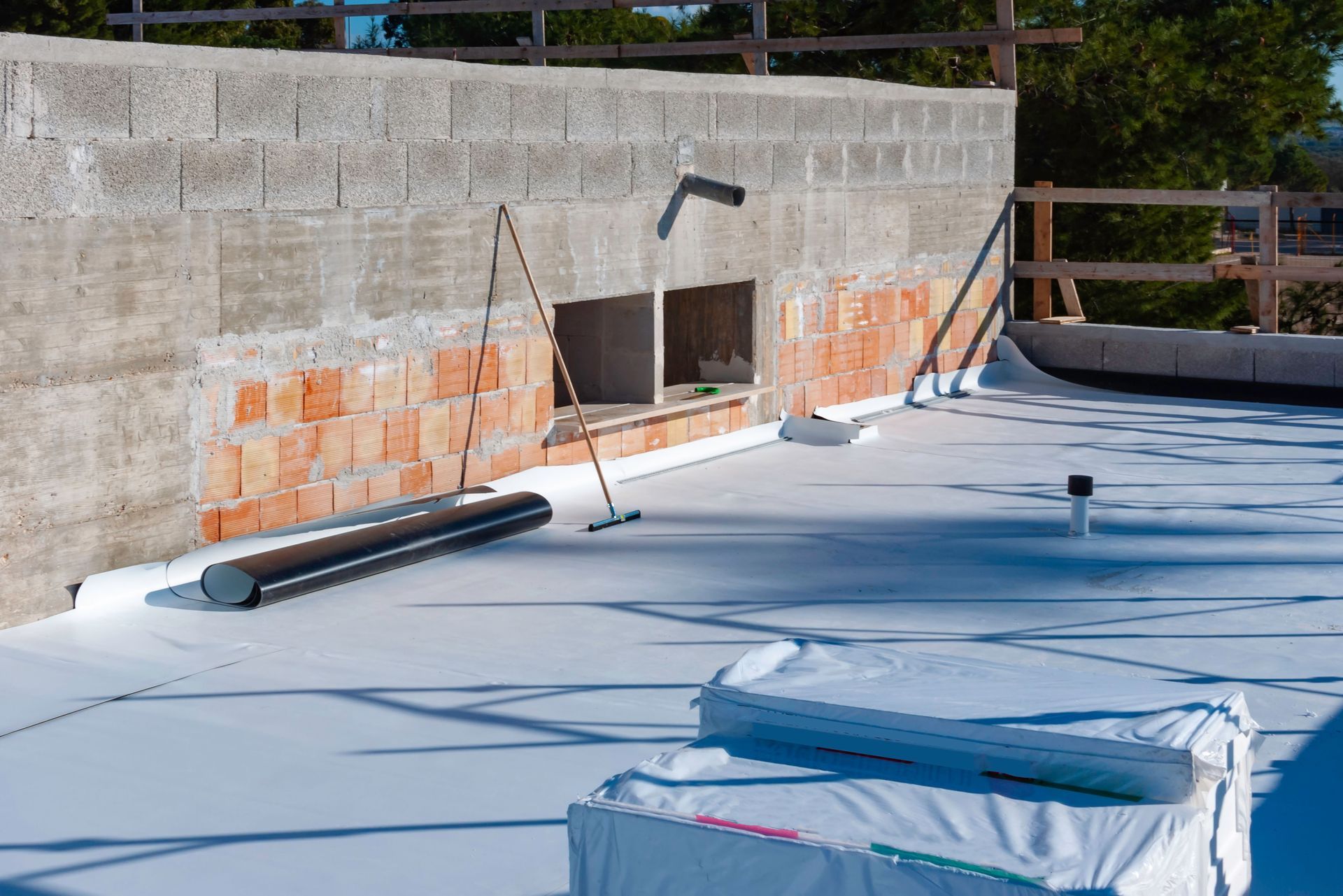
Reflective roofing materials have revolutionized energy savings in commercial spaces by aiding in temperature regulation. Roofs equipped with reflective surfaces can deflect solar radiation, thereby reducing the heat absorbed by the building. Hiring a knowledgeable commercial roofing company gives property owners access to top-tier cool roof technologies that lower overall heat intake. This reflection minimizes reliance on cooling systems, resulting in lower utility bills and enhancing overall energy efficiency. Materials such as white TPO roofing or coatings specifically designed for reflection are commonly used for these purposes. Incorporating reflective solutions not only addresses immediate climate control needs, but also aligns with sustainable business practices and environmental responsibility.
2.3 Environmental Impact
Energy-efficient roofing choices significantly lessen the environmental footprint of a business by reducing resource consumption. Using materials designed for thermal management enables a decrease in fossil fuel energy used for heating and cooling. In addition, many modern roofing materials are recyclable or made from recycled content, contributing positively to eco-friendly practices. Businesses committed to sustainability may also benefit from government incentives for implementing energy-efficient roofs. By prioritizing eco-conscious roofing solutions, companies can demonstrate their commitment to environmental stewardship while enjoying economic advantages.
2.4 Cost Benefits
The cost benefits of energy-efficient roofing stretch beyond mere energy savings. While immediate reductions in heating and cooling expenses are apparent, the longevity and minimal maintenance requirements further elevate financial advantages. Utility rebates and tax credits for certified energy solutions may also lower initial installation costs, facilitating quicker returns on investment. Through strategic planning and investment in energy-smart roofing materials, businesses can realize considerable cost savings, easing the strain on operational budgets. Furthermore, businesses can reinvest these savings into other critical growth and expansion initiatives.
3. Improved Safety and Security
3.1 Fire Resistance
The fire-resistant properties of quality roofing materials play an integral role in safeguarding business premises. Materials such as metal and certain types of synthetic membranes are specifically engineered to resist ignition and slow the spread of fire. The adoption of fire-resistant roofing not only protects the physical structure but also ensures the safety of employees and assets. Complying with fire safety standards minimizes liability while also fostering a safer environment for everyone involved. Businesses should prioritize these materials to mitigate fire damage risk and enhance building safety.
3.2 Security Against Intrusions
Robust roofing systems contribute significantly to protecting business assets from unauthorized access and intrusions. Security measures, such as reinforced roofing structures, act as deterrents against forced entry attempts. Implementing materials that offer increased resistance to drilling or cutting can thwart potential security breaches. Secure roofing helps ensure the privacy and integrity of sensitive information and valuable goods stored within the premises. Therefore, a robust approach to roofing security adds an essential layer of protection to a business's overall security framework.
A commercial roof is much more than a structural necessity—it is a strategic asset integral to safeguarding and advancing business operations. By prioritizing quality and durability, businesses ensure long-term protection against environmental challenges, operational costs, and infrastructure disruptions. Enhanced energy efficiency, safety compliance, and water damage prevention contribute to maintaining optimal function while boosting property values and market perceptions. Aligning your property management plan with a dedicated commercial roofing company guarantees that your roof remains a resilient shield for years to come. Quality roofing positions businesses favorably within a competitive landscape, offering indisputable long-term value. Call MGS Construction LLC today to learn more.
Share On: