
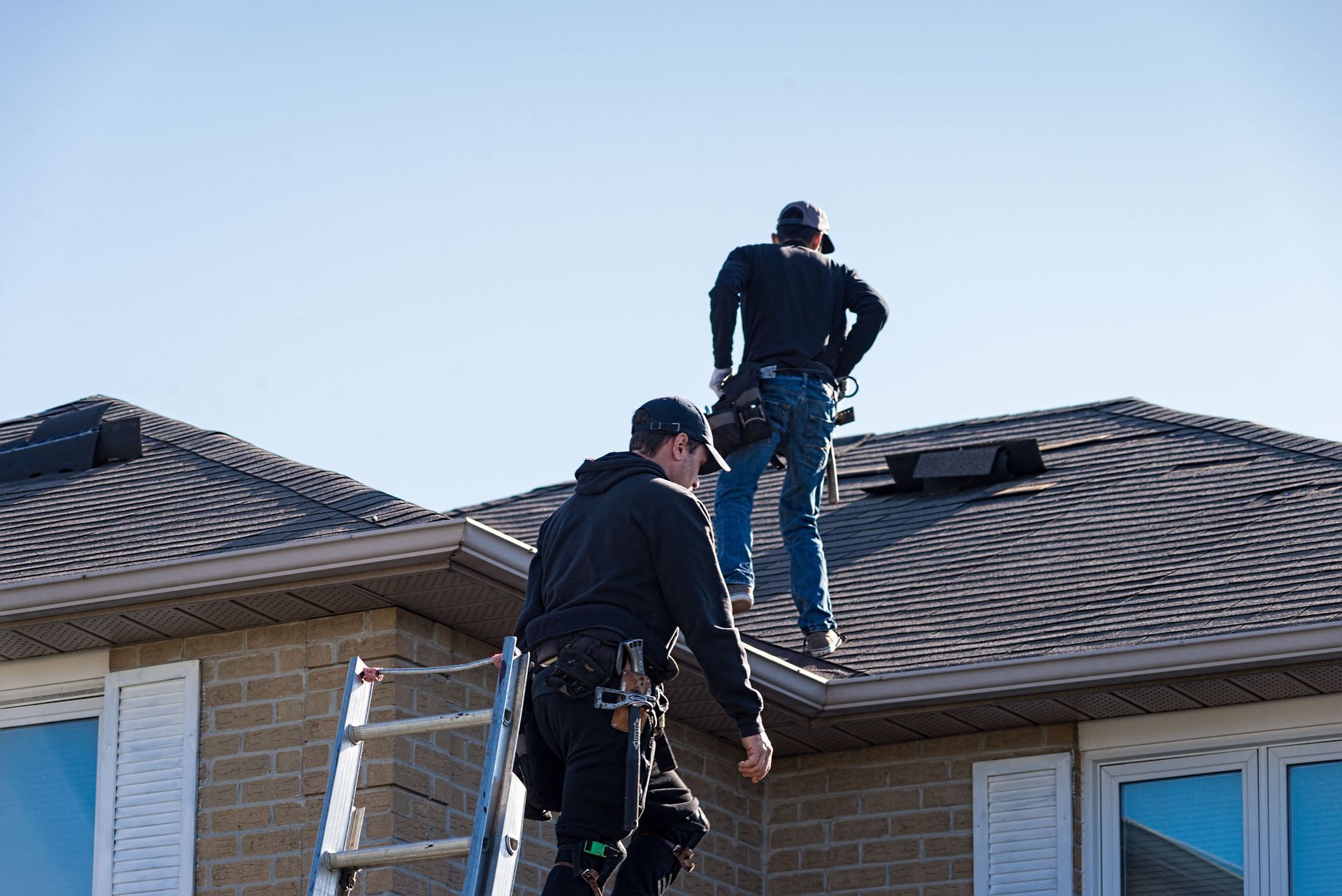
The roof of a house is one of its most crucial components, protecting the structure and its inhabitants from the elements. Local roofers engage in detailed inspections to assess the condition and quality of roofs. Here, we'll explore key checklist items that professional roofers consider during their evaluations.
Overall Structural Integrity
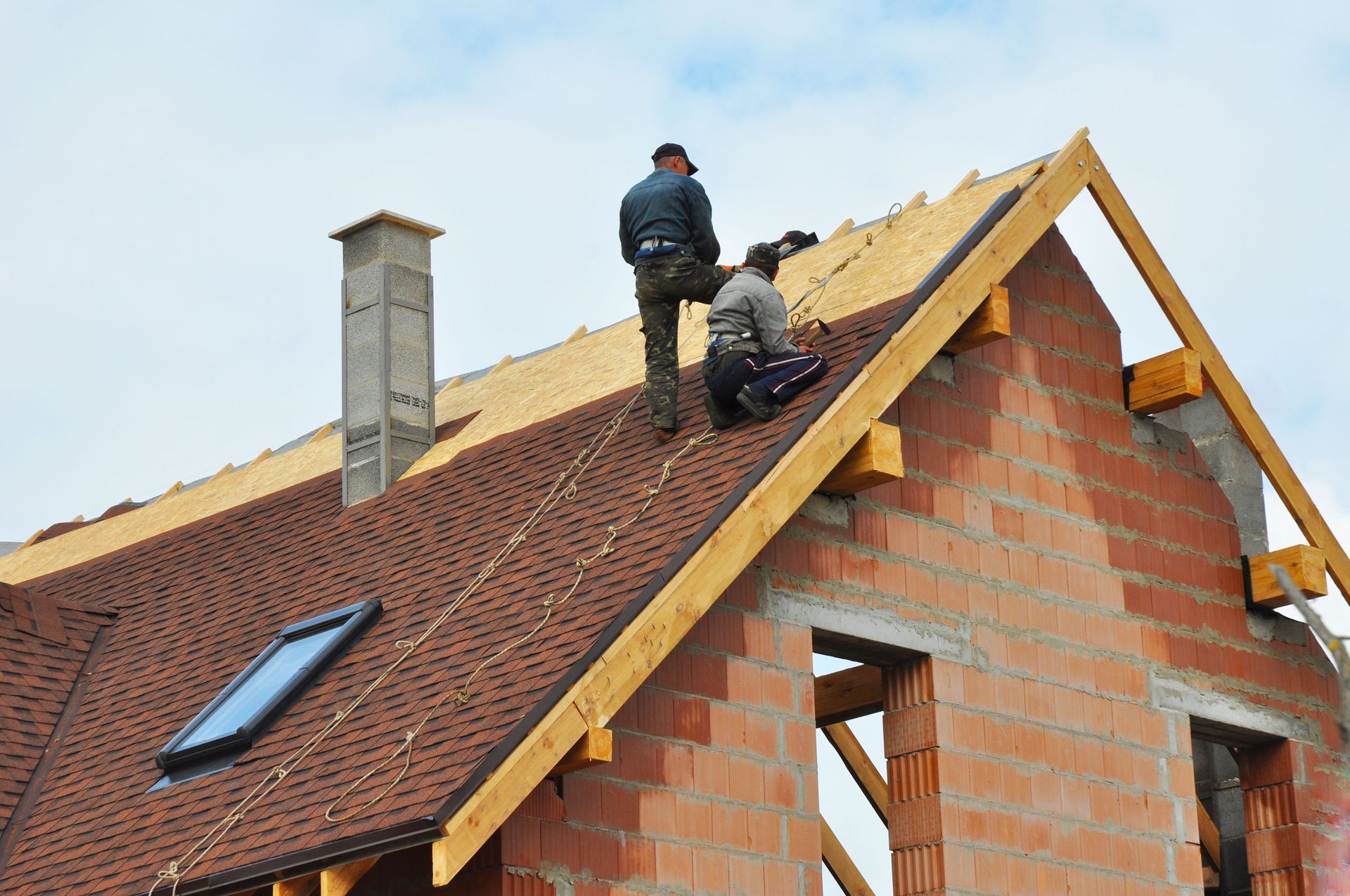
The slope and alignment of a roof are fundamental to its structural integrity. A roof that is not properly aligned can lead to severe structural issues, causing leaks or even collapses. Roofers examine the evenness of the surface, looking for any signs of dips or bulges. Irregular slopes can indicate foundational issues or inadequate support from the framework. These problems are often more costly to repair than preventative maintenance, emphasizing the importance of regular inspections.
Support systems, such as trusses and beams, form the backbone of a roof's structure. Local roofers meticulously inspect these components for any signs of wear, rot, or damage. Such issues might compromise the roof's ability to stay up against environmental stresses. Beams that show the slightest sign of weakness can gradually lead to significant structural decline. Early detection and timely repair of any structural damage ensure that roofs remain safe and durable.
Another critical area that roofers focus on is the roof decking. The decking serves as the foundation upon which roofing materials are laid. When inspecting, roofers check for signs of warping or rot, often resulting from moisture penetration. Pests also pose a risk, as they can damage the material if left unchecked. Regular maintenance and prompt correction of minor issues can prolong the life of the decking and the roof overall.
Roofing Materials
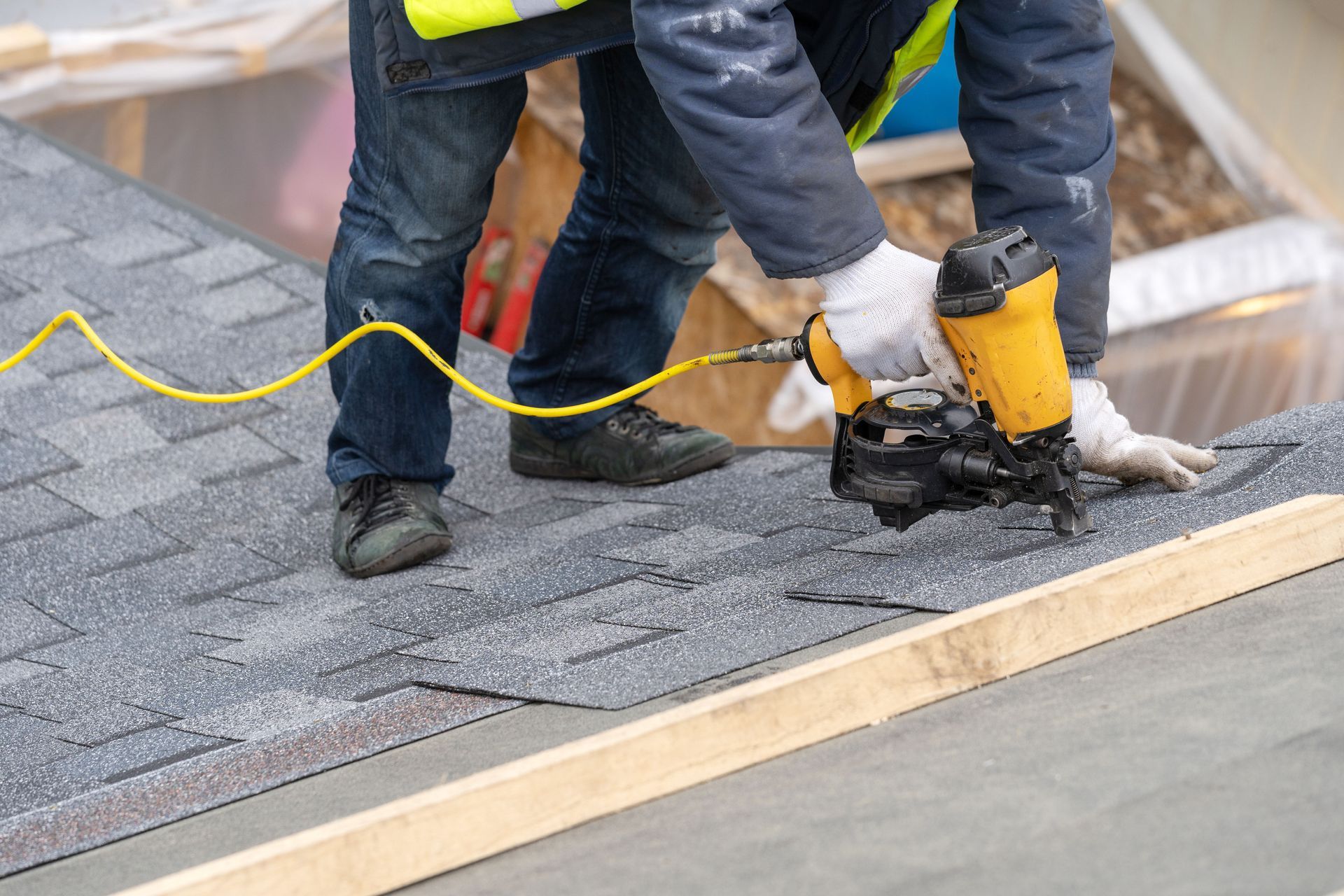
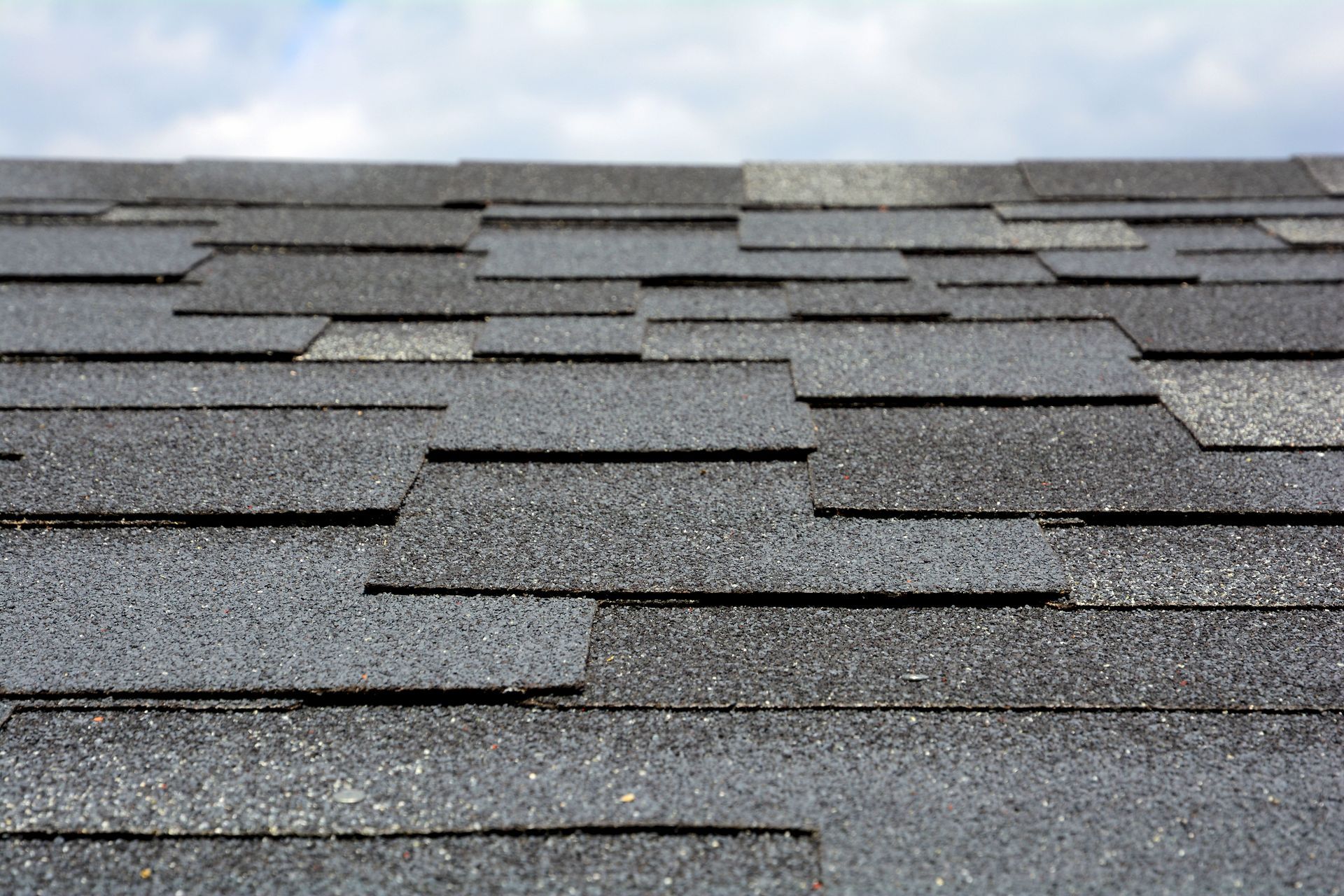
Roofing materials play a crucial role in protecting the house and ensuring energy efficiency. Shingles, especially, need to be in prime condition to provide optimal protection. Inspections concentrate on detecting wear and tear, missing pieces, or damage caused by external elements. High-quality shingles can significantly add to the lifespan of a roof. According to Bob Vila, asphalt roofing remains the top choice among American homeowners, capable of lasting up to 20 years when properly maintained.
Besides the surface materials, the underlayment is a critical component of the roofing system. It acts as a secondary barrier against moisture and weather intrusion. Evaluating the underlayment's condition ensures that it provides adequate protection underneath the shingles. Issues such as tears or water ingress can severely undermine the effectiveness of the roof. Regular assessments can detect these issues before they escalate into costly repairs.
The compatibility of various roofing materials is essential for the optimal performance of the roof. Local roofers evaluate the compatibility of all materials used within the roof system. Incompatible materials can result in premature wear and ineffective protection. Ensuring compatibility of shingles, underlayments, and sealants contributes to the roof’s longevity. A comprehensive check for material compatibility is a prudent step in every roof inspection.
Flashing and Sealing
Flashing is a critical component of the roof, designed to avert water from penetrating the surface. Local roofers spend ample time scrutinizing roof flashing for signs of trouble. Any deterioration or displacement can create significant water ingress issues. The flashing around chimneys, vents, and other projections are particularly vulnerable. Routine inspections are pivotal in ensuring that the flashing remains secure and effective.
Sealants are used in tandem with flashing to provide thorough protection against leaks. Their quality and condition strongly influence the roof's defense against water-related issues. Roofers review the sealants, ensuring they are not cracked or degraded. Any areas where sealants are absent or ineffectively applied are promptly addressed. Maintaining robust sealants is integral to prolonging the functionality of both the flashing and the roof as a whole.
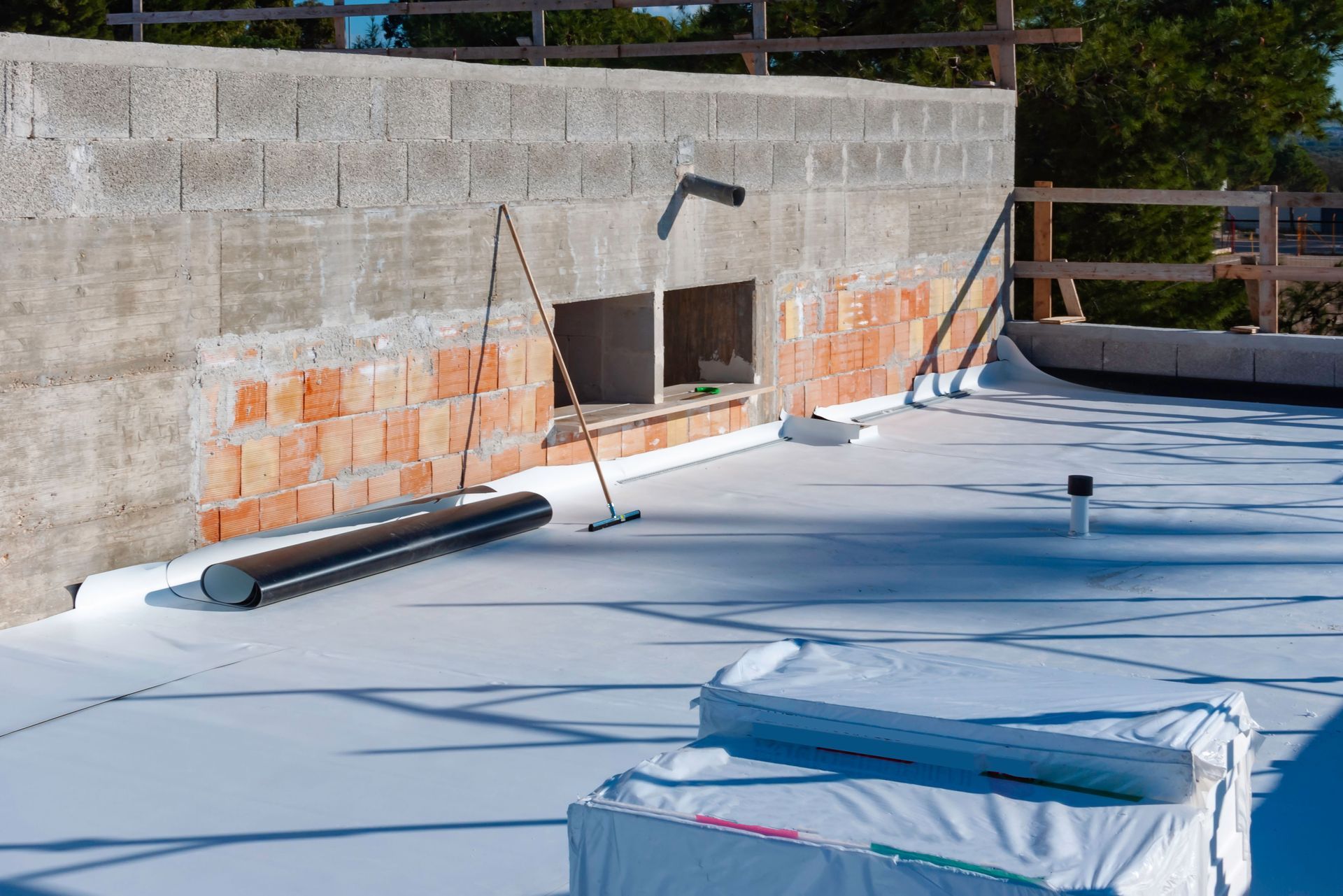
The effectiveness of the waterproofing systems installed in a roof is crucial for its longevity. Roofers assess the current setup to ensure it effectively prevents water ingress. Any shortcomings in waterproofing can rapidly lead to leaks and the deterioration of the roof's structure. Thorough inspections can pinpoint areas where improvements may be necessary. Maintaining effective waterproofing safeguards the roof and, by extension, the entire home.
Drainage Systems
Properly functioning gutters are indispensable to an effective roof drainage system. Roofers focus on inspecting gutters for clogs, leaks, and proper installation. A compromised gutter system can cause water to pool on the roof or overflow, damaging walls and the foundation. Regular checks ensure that the gutters are clear and functioning as intended. They are crucial for protecting the property from water damage year-round.
Besides gutters, downspouts play a pivotal role in directing water away from a home's foundation. Roofers examine downspouts to ensure they are channeling water efficiently. Any blockages or improper installations can undermine their effectiveness, leading to water damage. Proper alignment and functionality are verified during inspections to prevent potential structural damage. Downspouts are vital components that contribute significantly to the overall health of a roof.
Valleys on a roof are designed to channel water runoff, making their drainage imperative. Roofers carefully check these areas for debris build-up, which can obstruct proper drainage. Ineffective drainage in the valleys can cause water to back up, increasing the risk of leakage. Maintaining clear valleys is essential for effective water management on roofs. Routine examinations ensure these vulnerable areas are kept in optimal condition.
Signs of Weather Damage
Weather elements can have a significant impact on the state of roofing materials. Winds can loosen or entirely remove shingles, compromising the roof's integrity. During inspections, roofers check for loose or missing shingles and other materials. Even slight displacement can allow moisture ingress, necessitating comprehensive assessments. Promptly addressing any damage from wind helps prolong the life of the roof.
Hailstorms have the potential to cause considerable damage to roofing systems. Roofers look for dents or bruising on roofing materials, a common indication of hail impact. Asphalt shingles are particularly susceptible, as hailstones can dislodge granules or cause structural weakness. Early identification and reinstatement of compromised shingles are crucial. Protecting the roof from hail damage remains an ongoing challenge for many homeowners.
The sun's UV rays can cause gradual degradation of roofing materials over time. Roofers evaluate the impact of prolonged sun exposure, particularly in regions with intense sunlight. This inspection can reveal fading or weakening components that need replacing. Materials like asphalt shingles are generally designed to withstand such conditions. Regular monitoring ensures that solar damage does not prematurely age the roof.
Insulation and Ventilation
Insulation is fundamental to the energy efficiency and comfort of a home. Roofers verify that attic insulation is not only abundant but also evenly distributed. Proper insulation prevents heat escape in the winter and keeps homes cool in the summer. An adequately insulated attic significantly lowers energy costs while prolonging roof life. Ensuring optimal insulation coverage supports the roof in facing environmental pressures.
Effective roof ventilation is essential for managing moisture and temperature levels. Roofers inspect ventilation access points to confirm they allow for adequate airflow. Proper ventilation helps in controlling moisture, reducing the risk of mold and structural damage. It also helps prevent overheating of the attic space, which can damage roofing materials. Ensuring well-ventilated roofs is a foundational part of roof maintenance.
Preventing heat buildup is a key objective of proper roof ventilation. Roofers evaluate the efficiency of the ventilation system in mitigating excessive heat buildup. Excessive attic heat can negatively affect the roof, particularly the shingles, by accelerating deterioration. Adequate ventilation strategies maintain balanced temperatures, reducing this risk. By preventing heat buildup, roofers contribute significantly to the longevity and efficiency of the roofing system.
Comprehensive roof inspections by
local roofers involve scrutinizing multiple elements, from structural integrity to ventilation. Homeowners should ensure regular checks to maintain roofs in optimal condition and address issues before they escalate. Understanding the critical checklist items that professional roofers focus on can help prioritize necessary repairs and extend the lifespan of a roof. For local roofers you can rely on, contact MGS Construction LLC today.

Share On: