Choosing the right roofing material is an important decision for any business owner responsible for protecting a commercial property. The roof must withstand weather exposure while supporting the building's long-term performance and maintenance needs. Two popular membrane options are thermoplastic polyolefin, commonly called TPO, and ethylene propylene diene monomer, known as EPDM. Both materials are designed for low-slope commercial applications, but they have different characteristics that may make one better suited to a particular building. Understanding differences in durability, installation, energy performance, maintenance, and overall application can make the selection process easier. Business owners should consider the property's structure, local climate, budget, and long-term plans before choosing a membrane. According to IBISWorld, the U.S. Roofing Contractors industry employed approximately 251,805 people in 2023, reflecting the substantial workforce supporting roofing projects across the country. With professional guidance, businesses can compare their options and select a commercial roofing material that aligns with their property's needs.
Understand the Differences Between TPO and EPDM
TPO and EPDM are both single-ply membrane systems, but their material compositions give them different characteristics. TPO is a thermoplastic membrane that is commonly manufactured with reinforced layers designed for durability and flexibility. EPDM is a synthetic rubber membrane known for its ability to remain flexible across changing temperatures. When comparing commercial roofing options, business owners should look beyond basic material names and consider how each system will perform on their specific property. TPO is often recognized for its reflective surface, while EPDM is commonly available in darker finishes that absorb more solar heat. Both systems can provide effective protection when properly selected, installed, and maintained. The building's existing roof design can also influence which membrane is more practical for the project. Understanding these fundamental differences provides a useful starting point before comparing the other factors that affect a roofing decision.
Consider Energy Performance and Climate
Energy performance can be an important consideration for businesses looking to manage indoor comfort and operating costs. TPO membranes are often available with highly reflective surfaces that can reflect a portion of the sun's energy away from the building. This characteristic can be useful for commercial properties located in areas with significant heat and sun exposure. EPDM, particularly when produced in darker colors, generally absorbs more solar radiation than reflective TPO membranes. However, insulation beneath either system can play a major role in the building's overall thermal performance. A commercial roofing professional can evaluate the property's existing insulation and explain how the membrane may interact with the complete roof assembly. Climate should also be considered because the ideal roofing system can vary depending on seasonal temperatures and weather conditions. Evaluating the entire roofing assembly rather than focusing on membrane color alone can help businesses make a more informed decision.
Compare Durability and Weather Resistance
Commercial roofs are exposed to sunlight, wind, rain, temperature changes, and other environmental conditions throughout their service life. TPO membranes are designed to provide resistance against several common forms of outdoor exposure and can perform well when properly installed. EPDM is also known for its flexibility and resistance to weathering, making it a long-standing option for low-slope applications. For commercial roofing projects, durability depends not only on the membrane but also on seams, flashing, drainage, insulation, and installation quality. Extreme temperature changes can cause roofing materials to expand and contract, making flexibility an important characteristic in many environments. Both TPO and EPDM can provide reliable protection when selected appropriately and maintained according to manufacturer recommendations. Businesses should also consider the specific environmental conditions surrounding their properties before choosing a membrane. Professional evaluation can help identify which material characteristics are most relevant to the building's long-term needs.
Evaluate Installation and Seam Requirements
Installation methods can differ between TPO and EPDM, particularly when it comes to how membrane seams are joined. TPO seams are commonly heat-welded, creating a bonded connection between membrane sections when installed correctly. EPDM seams are generally connected using specialized adhesives or seam tape designed for the roofing system. Proper seam installation is critical because poorly sealed areas can create opportunities for moisture intrusion. Businesses considering commercial roofing should understand that material selection alone does not determine the quality of the finished roof. Installation experience, surface preparation, flashing details, drainage, and attention to seams can all influence performance. A qualified contractor can explain the installation process and identify conditions that may affect the project. Choosing a suitable membrane and having it installed correctly can help support dependable performance over time.
Examine Maintenance and Repair Needs
Every roofing system benefits from routine inspection and maintenance, regardless of the membrane selected. Regular evaluations can help identify punctures, seam concerns, drainage problems, flashing deterioration, and other issues before they become more extensive. TPO and EPDM can both require attention after severe weather, construction activity, or accidental impact. Maintenance needs may also vary based on the building's surroundings and how frequently the roof is accessed. A commercial roofing maintenance plan can help business owners keep track of inspections and address developing concerns promptly. Drainage is particularly important because standing water can place unnecessary stress on many types of roofing systems. Keeping roof surfaces, drains, and related components in appropriate condition can support the membrane's performance. Preventive maintenance can also make it easier to plan repairs instead of dealing with unexpected problems during critical business operations.
Consider Long-Term Costs and Value
The initial price of a roofing system is only one part of the overall financial decision. Businesses should also consider installation requirements, maintenance, energy performance, expected service life, and potential repair costs when comparing materials. A lower initial investment may not always provide the best long-term value if the system requires more frequent attention or does not suit the property's conditions. Conversely, paying more for a feature that provides little practical benefit may not be necessary for every building. Commercial roofing decisions should therefore focus on the complete lifecycle of the roof rather than the installation price alone. Business owners can also consider how long they expect to own or occupy the property when evaluating their options. A contractor can help explain the differences between available systems and identify factors that may influence long-term costs. Taking a broader view can help businesses select a roofing solution that provides practical value throughout its service life.
Match the Membrane to Your Building
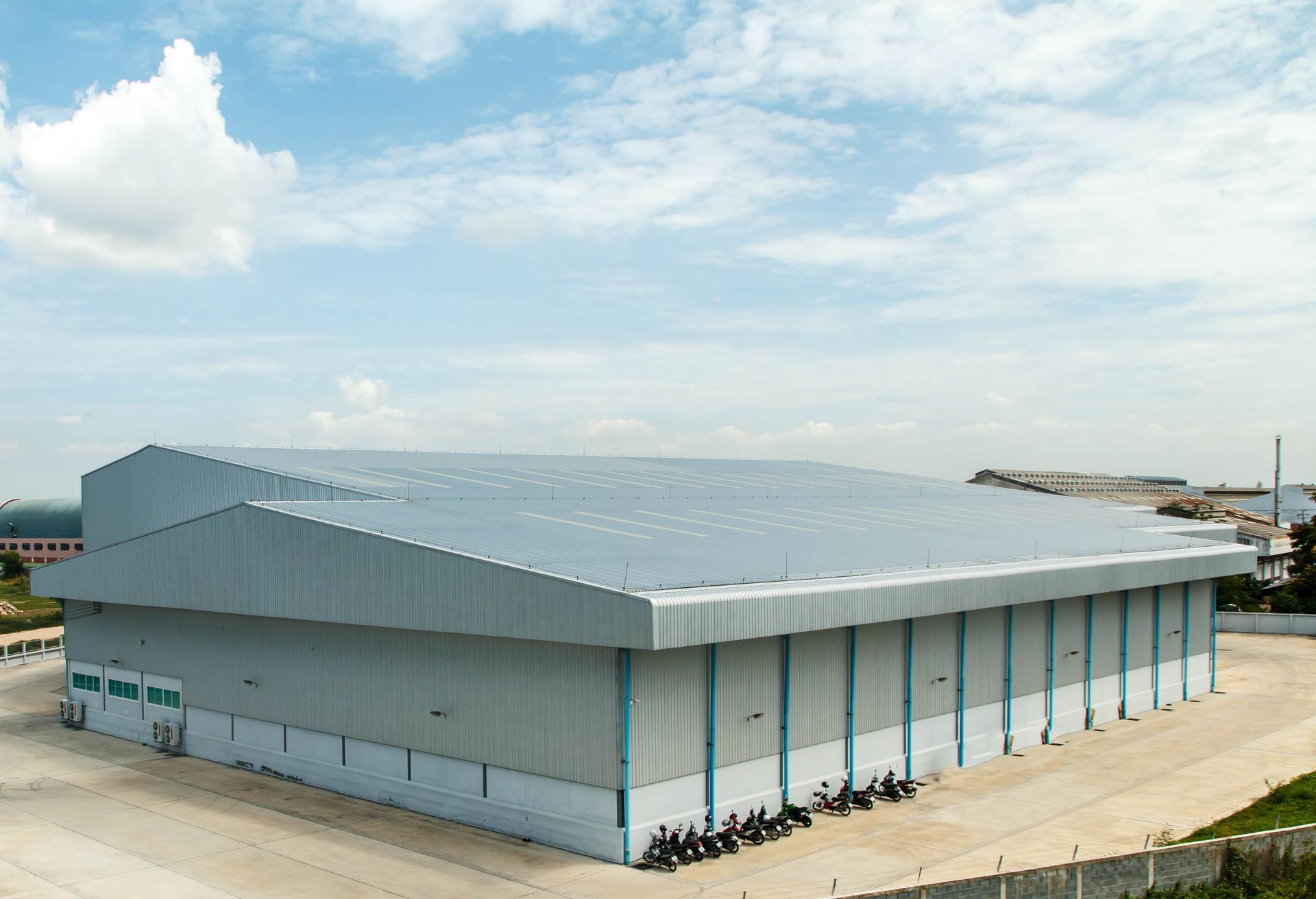
Every commercial property has different structural characteristics, operational requirements, and environmental conditions. A warehouse may have different roofing priorities than an office, retail building, industrial facility, or other commercial space. Roof size, slope, existing materials, drainage, rooftop equipment, foot traffic, and insulation can all influence the appropriate membrane choice. TPO may be appealing for properties where reflectivity and heat management are important considerations. EPDM may be a practical option where flexibility and proven rubber membrane performance are priorities. Commercial roofing professionals can inspect the existing roof and consider these factors before recommending a replacement or installation approach. Business owners should also discuss how the roof will be accessed and whether future equipment or building modifications are anticipated. Matching the membrane to the actual building conditions can help create a roofing system that supports the property's long-term requirements.
Selecting between TPO and EPDM requires more than comparing the appearance or basic price of two roofing materials. Each membrane has characteristics that can make it appropriate for different buildings, climates, budgets, and maintenance expectations. Business owners should consider energy performance, durability, installation methods, maintenance requirements, lifecycle costs, and the specific design of the property. MGS Construction LLC can help businesses evaluate their roofing needs and determine which available option is appropriate for their property. A professional assessment can provide valuable insight into the existing roof, installation considerations, and factors that may affect long-term performance. Whether TPO or EPDM is ultimately selected, proper installation and ongoing maintenance remain important parts of protecting the building. Contact us today to discuss your commercial roofing needs and take the next step toward a durable, practical roofing solution for your business.

Share On: