
Selecting the ideal material for your home involves evaluating various performance elements and structural needs. Homeowners often find themselves choosing between asphalt shingles and metal systems when planning an exterior upgrade. Both options possess distinct properties that influence suitability for different environments and architectural styles. Choosing the right material is essential because it influences long-term protection, appearance, visual charm, and maintenance. When investing in residential roofing, understanding these core differences enables individuals to make knowledgeable choices that align with specific property goals.
Every property has unique architectural demands and environmental exposures requiring careful planning. The decision between asphalt and metal impacts immediate satisfaction and long-term resilience against severe weather elements. Exploring the unique attributes of each material allows property owners to balance modern functionality with classic visual style. Focusing on the essential characteristics of these popular materials helps you select the ideal system.
Evaluate Project Costs and Value
Initial investments vary significantly between these popular materials. Asphalt shingles present a budget-friendly choice at the start because components are widely available and installation is straightforward. Conversely, metal systems require a higher initial commitment due to specialized materials and precise installation techniques. Long-term considerations show that metal systems provide great durability that offsets the upfront expenditure over time. Property owners must evaluate immediate needs against future benefits when selecting a system for their residential roofing needs.
Ongoing upkeep and insurance considerations also impact the total financial outcome of your investment. Metal options typically demand less frequent maintenance over their lifecycle because they naturally resist rotting, insect damage, and organic growth. This low-maintenance quality can lead to reduced ongoing care expenses and may even qualify the property for lower insurance premiums. Asphalt choices are reliable but often necessitate regular inspections and minor repairs to correct storm damage. Over time, the durability of metal improves the overall market value.
Compare Structural Durability and Lifespan
The physical lifespan of your chosen system determines how many times a replacement will be needed over coming decades. Metal systems are celebrated for their remarkable longevity, frequently outlasting traditional alternatives without losing structural integrity. This extended performance means fewer full replacements, providing peace of mind for families planning to stay in their homes long-term. Asphalt shingles provide a reliable shield but have a shorter operational cycle before weathering requires replacement. Investing in high-quality residential roofing ensures that the underlying structure remains protected against moisture.
Weather resistance and safety ratings represent another critical area of differentiation between these materials. Metal roofs excel under severe weather conditions, easily shedding heavy snow, resisting wind uplift, and repelling large hail without cracking. They also hold top fire safety ratings, offering significant protection in areas prone to environmental hazards. Shingles provide excellent standard protection but can suffer from loose tabs following intense storms, requiring repairs. Shingle systems also face challenges in humid climates where moss develops on porous surfaces.
Review Aesthetic Style and Appeal
Visual appearance and architectural coordination are vital for maintaining the general aesthetic charm of your neighborhood. Asphalt shingles offer an expansive variety of colors and traditional textures, making them easily adaptable to classic architectural styles. Metal systems have evolved significantly, featuring options that mimic the appearance of slate, tile, or traditional shingles to provide exceptional design flexibility. Choosing a style that complements the existing architecture enhances visual harmony and ensures the property looks integrated. The right choice in residential roofing elevates the visual presence of the structure.
Curb appeal shifts dramatically based on how well a material retains its original look as it ages. Shingle roofs can fade or show dark streaks over years of direct sunlight exposure and rain, which sometimes ages the exterior prematurely. Metal panels maintain their pristine finish and color consistency much longer, often developing a desirable patina rather than looking worn. This sustained cleanliness helps the home retain its market attractiveness and pristine curb appeal. Homeowners should select an option that satisfies current design tastes.
Measure Environmental Impact and Efficiency
Sustainability factors heavily into modern home improvement decisions as eco-friendly materials become standard practice. Metal systems consist of highly sustainable materials and can be completely recycled when they reach the end of their operational lifecycle, keeping waste out of local landfills. Shingles are petroleum-based products, making their production dependent on fossil fuels and limiting their recycling potential after removal. According to Insider, utilizing metal panels can lower annual household energy expenses by as much as 40%. This efficiency stems from the material's natural ability to reflect solar radiation.
Cool roofing capabilities help manage indoor temperatures without overworking heating and cooling systems. Metal naturally minimizes heat absorption, which keeps attics cooler and reduces the urban heat island effect in populated neighborhoods. While some specialized shingle varieties offer reflective coatings, standard versions tend to absorb heat and transfer it downward into living spaces. These eco-friendly attributes can help properties qualify for green building certifications, enhancing the long-term value of your residential roofing asset. Selecting sustainable options reduces your environmental footprint while supporting a comfortable living environment.
Understand Installation Processes and Demands
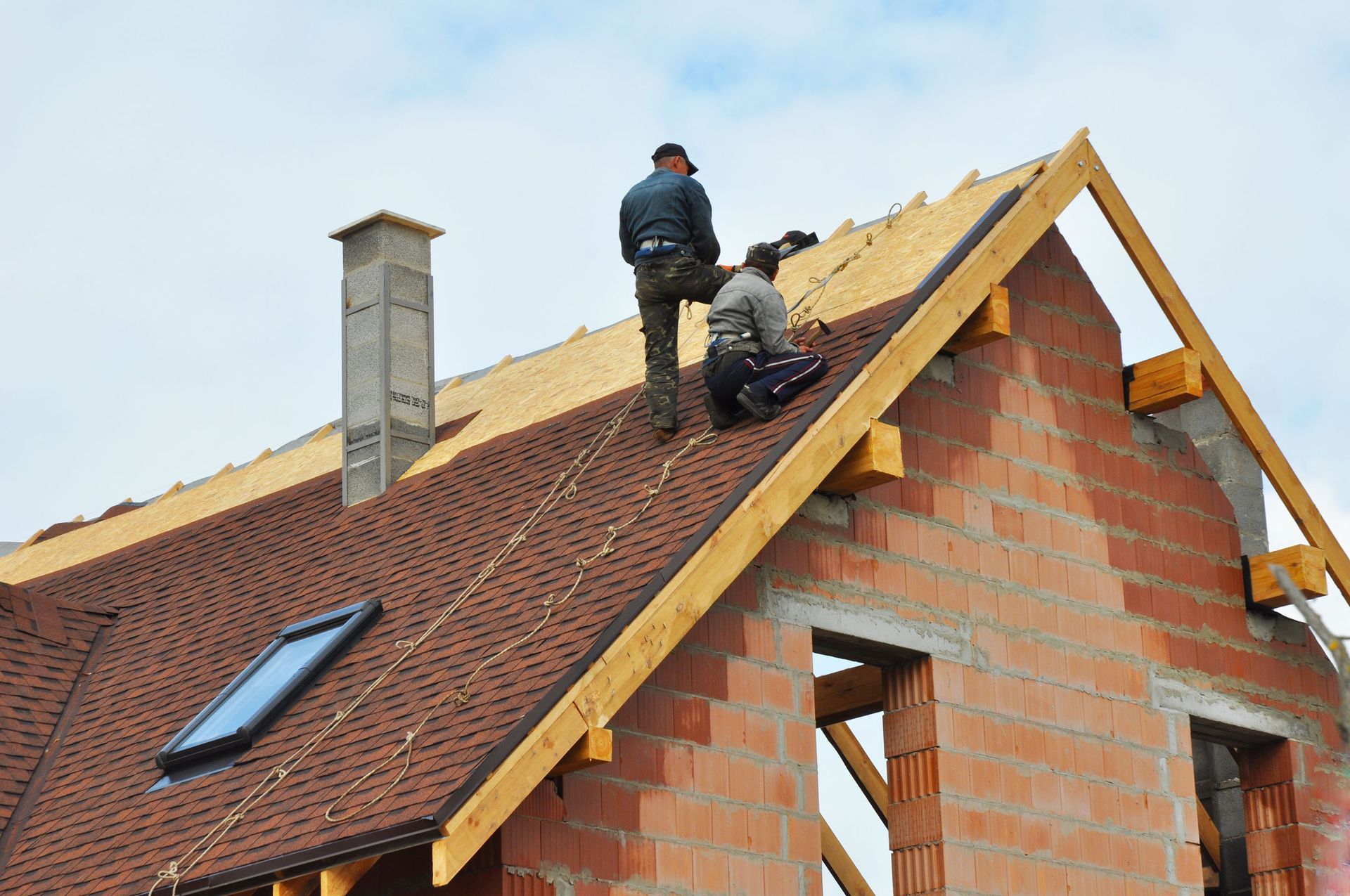
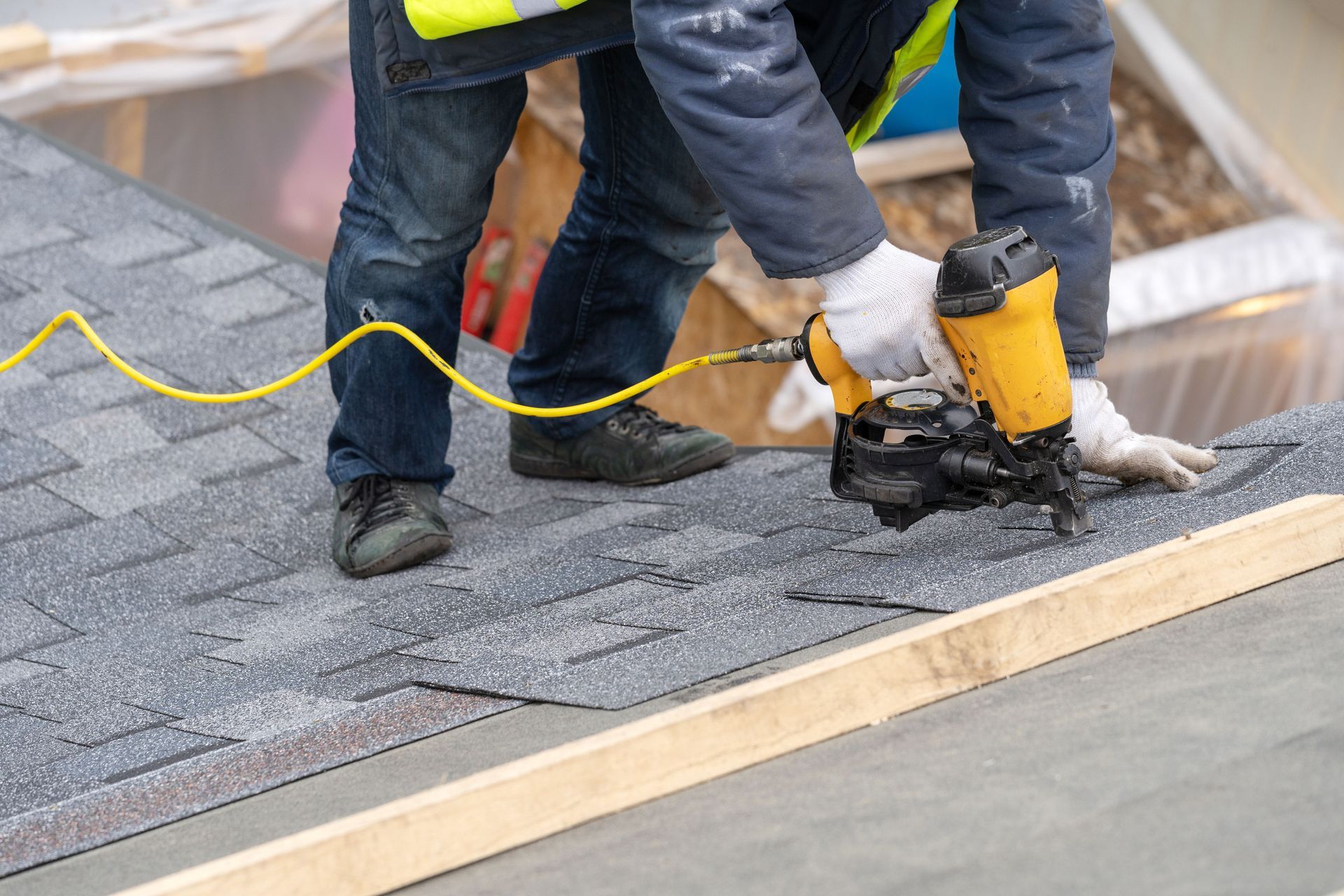
The timeline and complexity of the construction phase depend heavily on the physical properties of the chosen material. Shingle systems are lightweight and straightforward to install, allowing experienced crews to complete most projects quickly and efficiently. Metal installations demand advanced technical skills, specialized tools, and precise measurements to guarantee that panels lock together seamlessly and remain completely watertight. Attempting a complex metal installation without professional training can lead to costly errors and compromise the performance of your residential roofing system. Hiring qualified professionals ensures work meets strict standards.
Weight constraints and seasonal weather windows also dictate how smoothly a project moves forward. Shingles require moderate temperatures during installation so adhesive strips bond correctly without the material cracking from cold temperatures. Metal panels can be installed during almost any season, though extreme conditions require careful handling by the crew to maintain perfect alignment. Both choices come with distinct manufacturer warranties that protect your investment, but these agreements usually require certified installers to remain valid. Ensuring compliance with these specifications preserves your long-term protection.
Consider Regional and Climate Factors
Regional climate variations and local building demands dictate which material will deliver the most dependable protection. Areas prone to severe winter weather or intense winds benefit significantly from the rugged defense of a metal system. Local building regulations might also dictate specific material standards regarding fire resistance or structural wind loads, influencing your final selection. Working with experts who understand regional patterns ensures that your new residential roofing choice fully complies with municipal guidelines and safety expectations. Selecting a climate-appropriate option minimizes unexpected storm damage.
Neighborhood standards and homeowner association rules frequently shape the selection of exterior materials. Some communities impose strict guidelines on roof colors and styles to maintain a uniform look across the development. Metal systems might face resistance in neighborhoods that heavily favor traditional appearances, while asphalt shingles are almost universally accepted. Understanding these community restrictions before ordering materials prevents legal complications or costly delays during the construction process. Property owners must balance personal preferences with community regulations to find a compliant option that looks excellent.
Deciding between asphalt shingles and metal systems requires a thorough evaluation of long-term value, durability, aesthetics, and regional restrictions. Shingles remain an accessible choice for classic homes, providing traditional appeal and simpler installation demands. Metal systems represent a premium alternative that delivers exceptional weather resistance and outstanding energy performance over its extended lifespan. By considering your property layout, budget, and local climate, you can confidently select an option that ensures lasting protection and enhances curb appeal. To achieve the best results for your upcoming residential roofing upgrade, let us handle your next installation at MGS Construction LLC.
Share On: