
Preparing for a home improvement project can feel like a daunting task, especially when it involves the primary shield protecting your property from the elements. Understanding the professional assessment process is the first step toward a successful renovation. When you invite local roofers to your home, you should expect a comprehensive evaluation.
Determining the Current Roof Condition
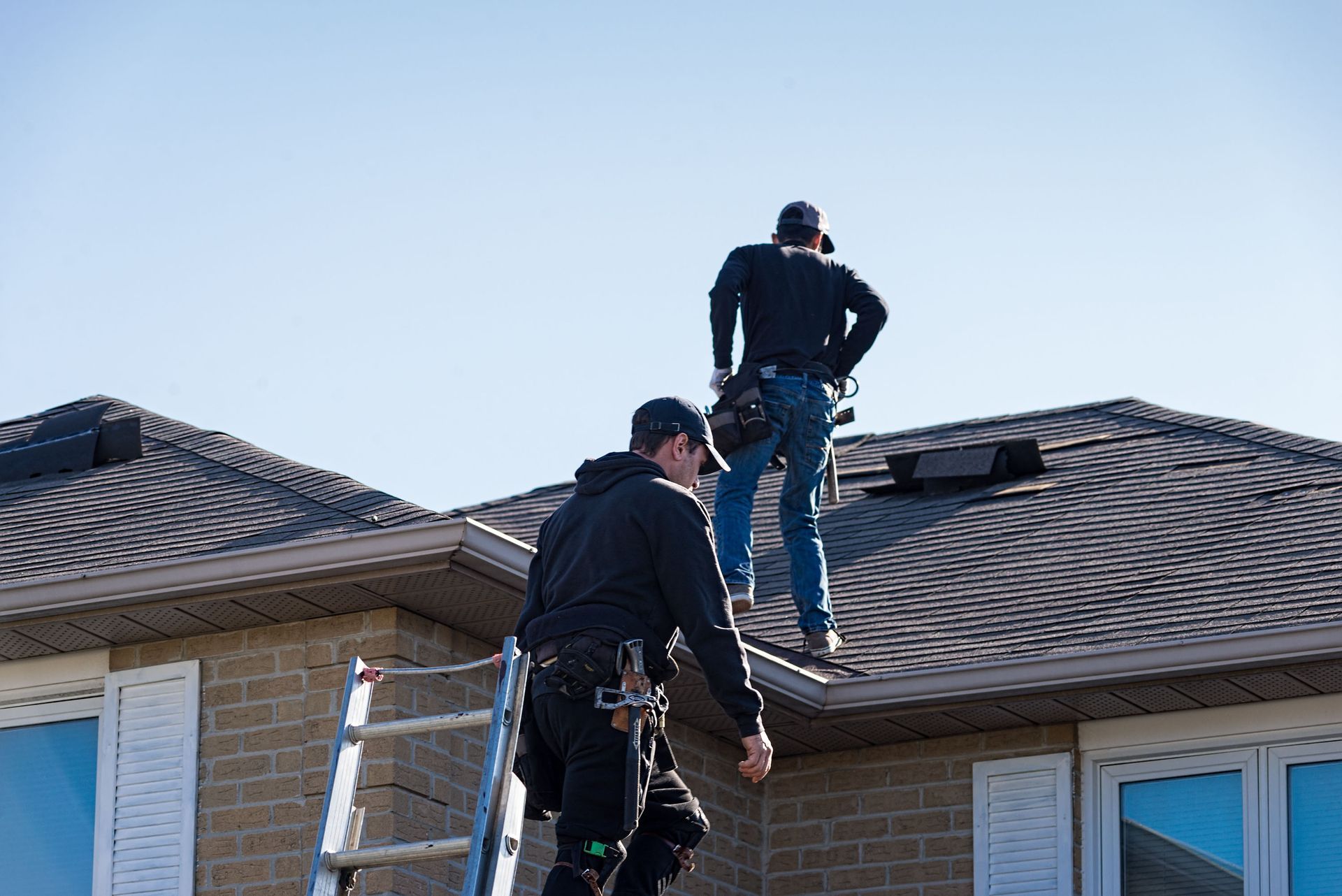
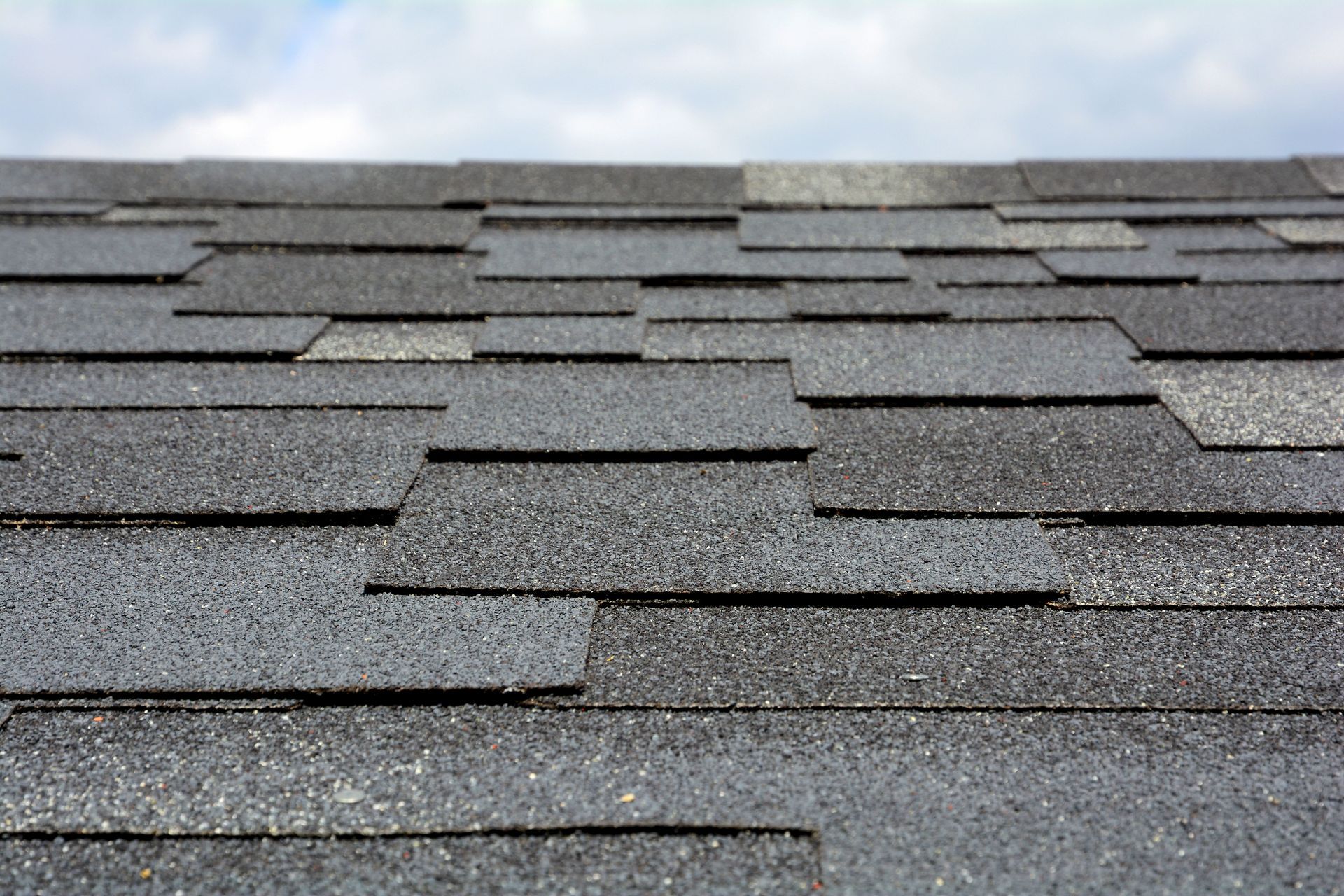
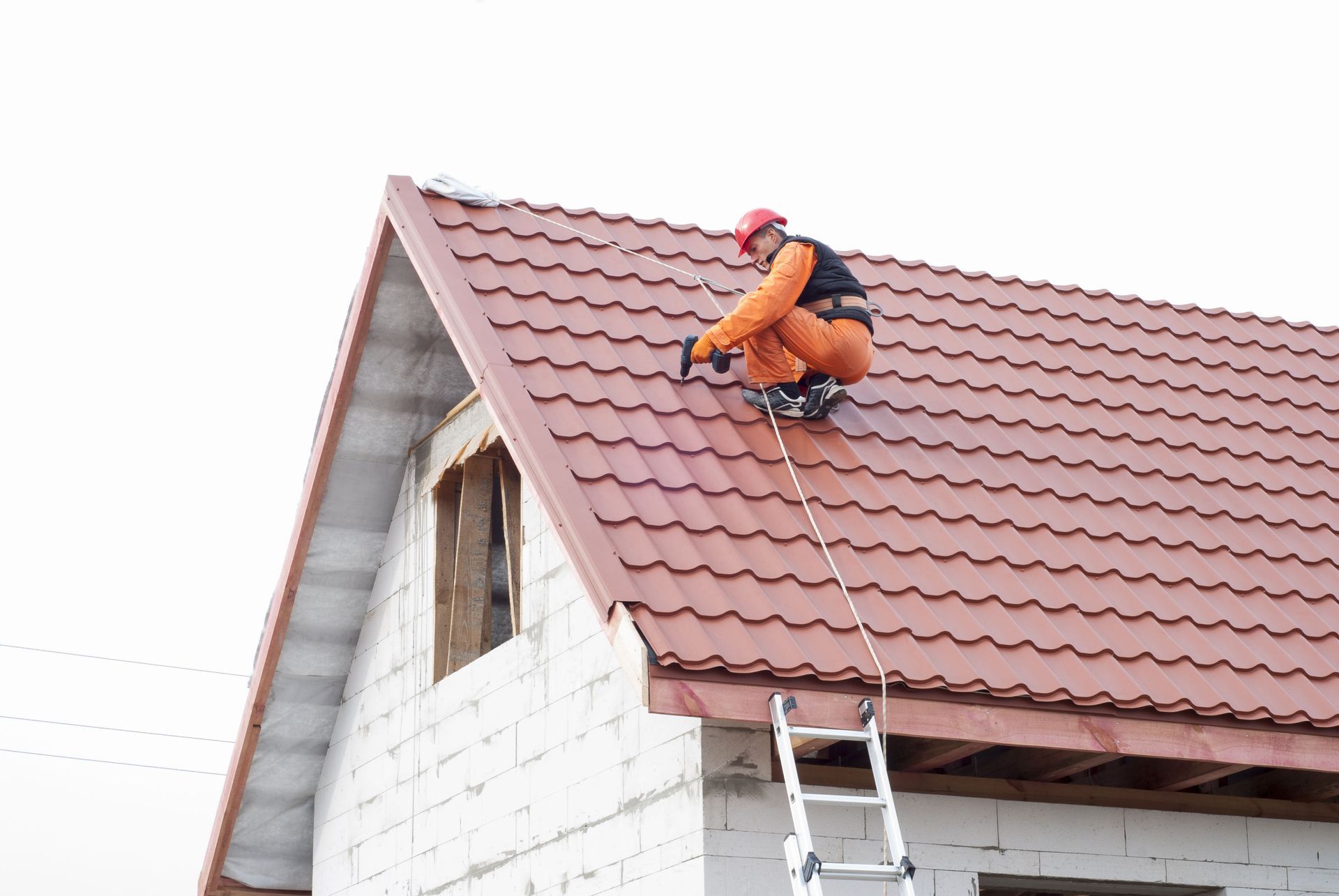
The initial phase of any professional assessment involves a meticulous examination of the existing materials. Experts will typically climb onto the surface to look for missing shingles, cracked tiles, or signs of significant wear that might lead to leaks. They look at the granules in the gutters and the integrity of the flashing around chimneys or vents. This physical inspection allows the technician to understand exactly how much life remains in your current system.
Beyond just the surface, the professional will check the underlying structure for any signs of sagging or rot. They often take measurements of the total square footage to calculate material needs accurately. This part of the process is vital because it reveals hidden issues that a simple ground-level glance would miss. According to NAR's 2025 Remodeling Impact analysis, one of the most common remodeling tasks that grew in frequency over the last two years was installing a new roof.
A thorough interior check usually follows the exterior climb. The specialist might request access to your attic to look for daylight peeking through the boards or water stains on the rafters. Proper ventilation is another key focus during this stage, as trapped heat and moisture can drastically shorten the lifespan of new materials. By the time this phase concludes, the local roofers will have a complete map of your home’s specific structural requirements.
Analyzing the Ventilation System Needs
Ventilation is a technical aspect of the project that requires a high level of expertise to calculate correctly. The specialist will evaluate the intake and exhaust balance to make sure air flows freely under the deck. If the airflow is restricted, your shingles could effectively cook from the underside during the summer months. Professionals look at your soffit vents and ridge vents to see if they meet modern building codes and manufacturer specifications.
During this part of the estimate, the technician explains how different venting products interact with your specific architecture. They might suggest adding more intake vents or upgrading to a continuous ridge vent system. This evaluation is not just about the roof itself but also about the long-term energy efficiency of your entire house. A well-ventilated attic space helps regulate indoor temperatures and reduces the strain on your heating and cooling systems throughout the year.
The inspector will also check for any obstructions that might be blocking existing vents, such as overgrown insulation or debris. They provide a clear breakdown of how the proposed changes will affect the durability of the new installation. When working with local roofers, you gain the advantage of their familiarity with regional weather patterns that dictate specific ventilation needs. This tailored approach helps prevent ice damming in the winter and mold growth in the spring.
Finding the Right Material Options
Once the structural health is understood, the conversation shifts toward the specific materials that will be used for the project. The specialist will present a variety of samples, ranging from traditional asphalt shingles to modern architectural options or metal panels. They explain the fire ratings, wind resistance levels, and expected longevity of each choice. This allows you to visualize how the finished product will look against your siding and landscaping.
The discussion usually covers the secondary components that are just as important as the shingles themselves. This includes the underlayment, ice and water shields, and the specific type of starter strips required for the perimeter. Professionals explain the benefits of a synthetic underlayment rather than traditional felt paper. They will also talk about the different colors available to make sure the aesthetic matches your personal style while adhering to any local neighborhood guidelines.
Choosing materials is also about understanding the specific warranties attached to the products. The estimator provides details on how manufacturer coverage works and what steps are necessary to keep those protections valid. They clarify the differences between limited lifetime warranties and prorated options. This transparency helps you make an informed decision based on the specific environmental challenges your home faces. Expert local roofers provide these options to give you a clear picture of the project’s final appearance.
Outlining the Full Project Timeline
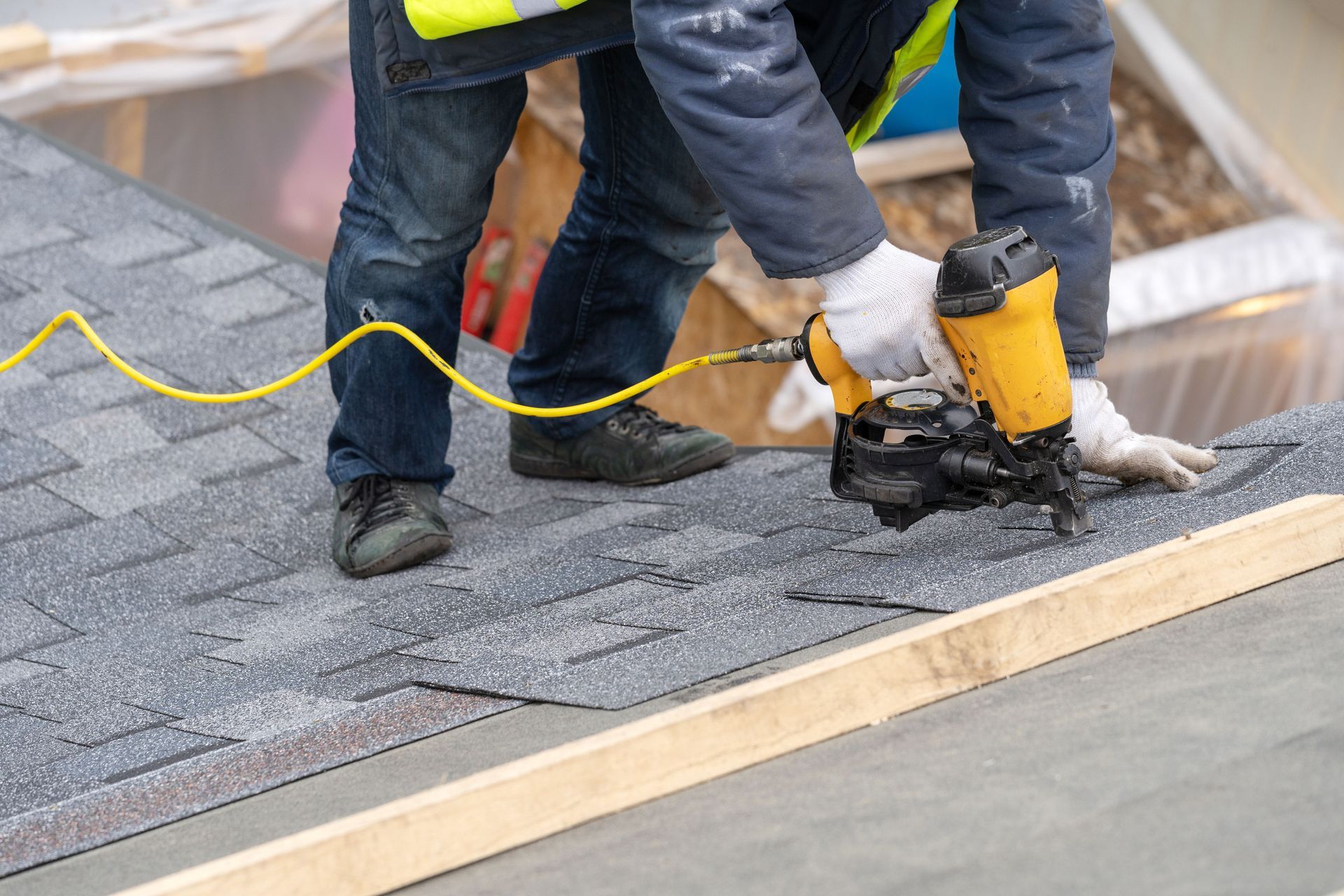
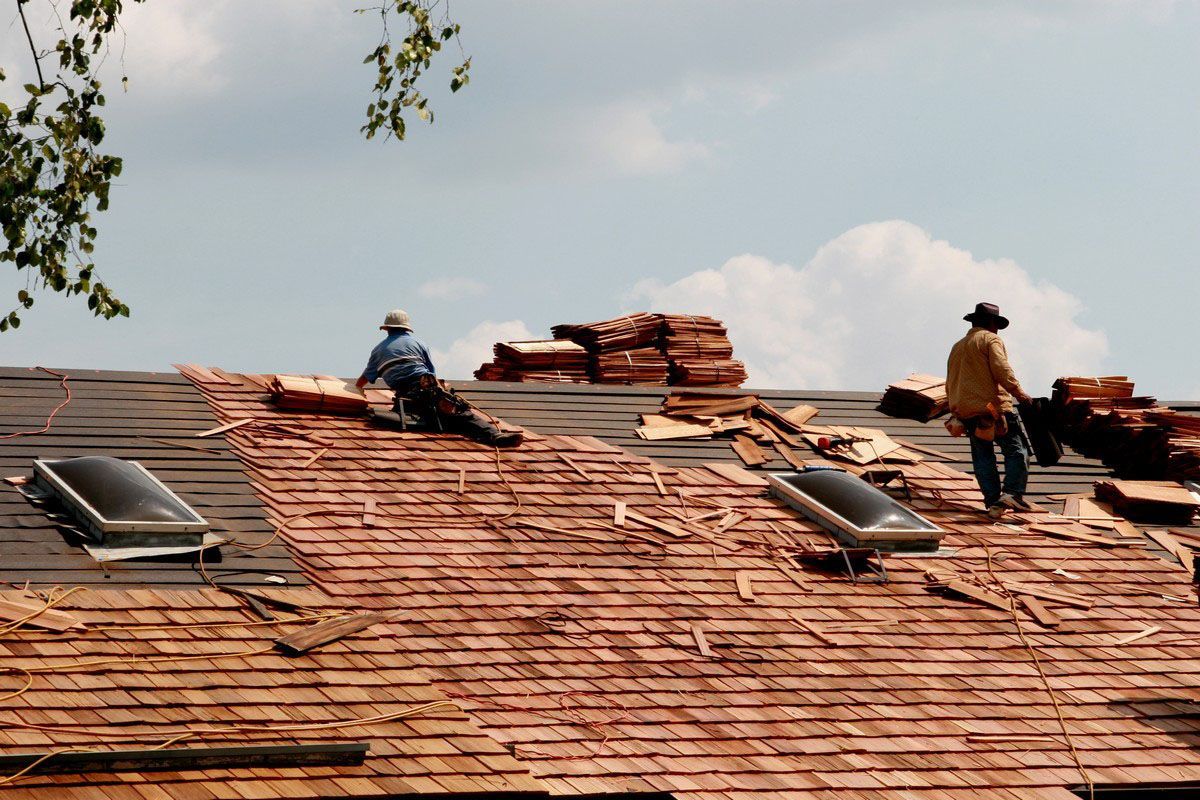
A professional estimate always includes a realistic projection of how long the work will take from start to finish. The specialist describes the staging process, including where the materials will be delivered and where the debris container will be placed. They provide a step-by-step breakdown of the removal of the old materials and the installation of the new system. Most standard residential projects are completed within a few days, depending on the weather and the complexity of the design.
Weather contingencies are a standard part of this timeline discussion. The professional explains the protocol for unexpected rain or high winds during the construction phase. They describe how the crew protects your home overnight or during breaks to prevent any water intrusion. Understanding these safety measures provides a sense of security regarding the protection of your interior belongings. You will also learn about the typical daily schedule of the crew, including arrival times and cleanup routines.
The timeline also accounts for the final inspection and the removal of all equipment from your property. A dedicated supervisor usually walks through the site at the end of the job to verify that every detail meets the project specifications. They use specialized tools, such as magnetic sweeps, to find and remove any stray nails from your lawn or driveway. By knowing the schedule in advance, you can coordinate your personal activities with the presence of the local roofers on your property.
Clarifying the Total Investment Breakdown
The final stage of the estimate is the presentation of the written proposal, which details every cost associated with the renovation. This document should be transparent, listing the labor, materials, permits, and disposal fees as separate line items. The specialist explains the payment schedule, which typically involves a deposit followed by a final payment upon completion.
A detailed quote also includes information regarding the permits required by your municipality. The professional explains who is responsible for filing the paperwork and scheduling the necessary municipal inspections. They also discuss the insurance coverage held by the company to provide a clear understanding of the protections in place during the project. Any questions regarding the fine print are addressed during this one-on-one session.
The breakdown also highlights any potential variables, such as the cost per sheet for replacing damaged plywood decking discovered after the old materials are removed. This proactive communication allows you to set aside a small contingency fund if the underlying wood is in poor condition. By providing a comprehensive financial map, the local roofers allow you to plan your household budget with precision. Having a signed, detailed agreement serves as the roadmap for the entire professional relationship.
Professionalism and clarity are the hallmarks of a quality roofing assessment. By having all the information, you can enter the renovation process with complete confidence. A detailed estimate serves as a vital tool for any homeowner looking to improve the value and safety of their property. Most residents find that a face-to-face meeting with local roofers provides the best opportunity to have specific questions answered. Contact MGS Construction LLC today to schedule your professional consultation and begin your next home improvement project.

Share On: