
Upgrading your residential roof is a significant decision that affects your home's protection, appearance, and long-term performance. From identifying when replacement is necessary to planning materials and overseeing installation, understanding the process helps homeowners make informed choices. This guide outlines what to expect and how to approach a roof upgrade with clarity and confidence, ensuring a successful residential roofing project.
Essential Recognition of the Need for a Roof Upgrade
Identify Visible Signs of Wear and Tear
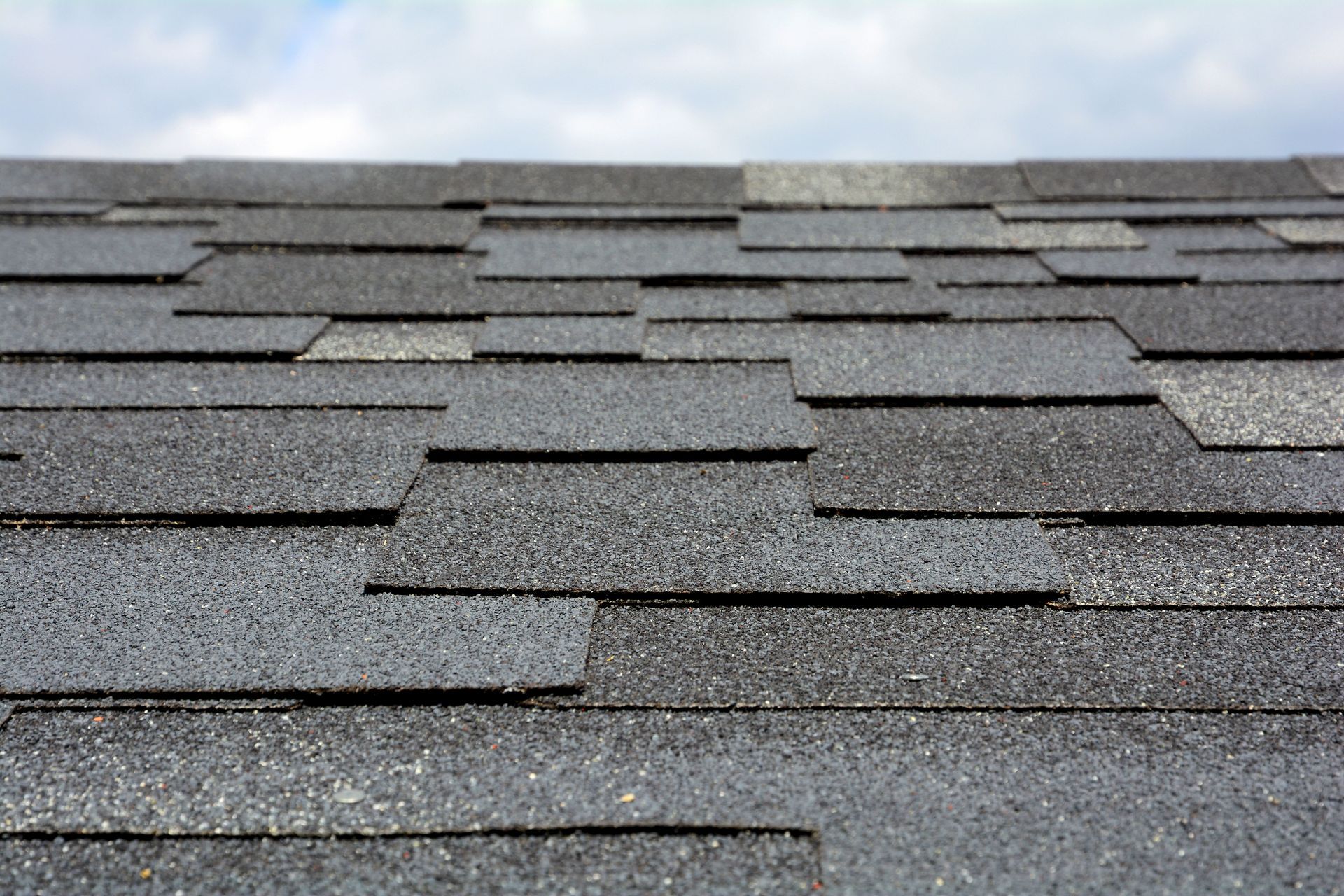
Recognizing visible deterioration is the first step toward planning a roof upgrade. Over time, shingles may curl, crack, loosen, or go missing, leaving the roof vulnerable to moisture intrusion. Dark streaks, sagging areas, and granule loss can also indicate aging materials. Addressing these signs promptly helps prevent interior damage and structural concerns, making routine inspections essential for any residential roofing system.
Evaluate Impact of Weather Conditions
Weather plays a major role in the lifespan of your roof. Heavy rain, snow accumulation, wind, and fluctuating temperatures place stress on roofing systems. High winds can loosen materials, while prolonged moisture exposure increases the risk of leaks. Residential roofing upgrades in areas with harsh winters may be necessary to improve long-term dependability and protect your home from repeated seasonal stress.
Effective Process of Researching Roofing Professionals
Locate Experienced Contractors
Selecting a qualified roofing contractor is essential for a successful outcome. Begin by researching local companies that specialize in residential roofing and exterior improvements. Focus on contractors with demonstrated experience in roof replacement and structural repairs, ensuring the quality and dependability of your investment.
Analyze Reviews and Testimonials
Online reviews provide helpful insight into past client experiences. Look for consistent feedback regarding communication, professionalism, and project completion. Pay attention to how companies respond to concerns and whether customers report satisfaction with completed residential roofing projects.
Compare Service Capabilities
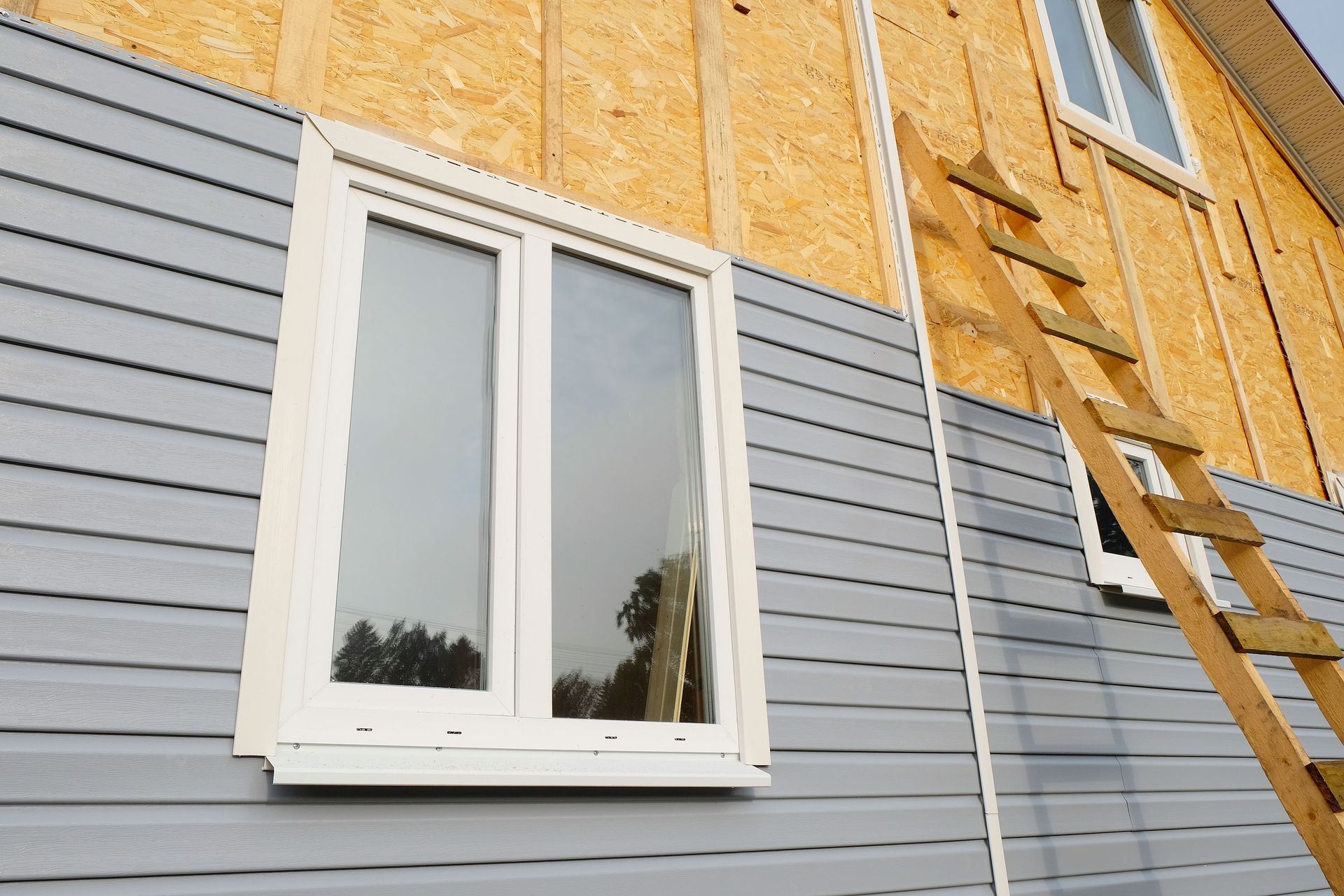
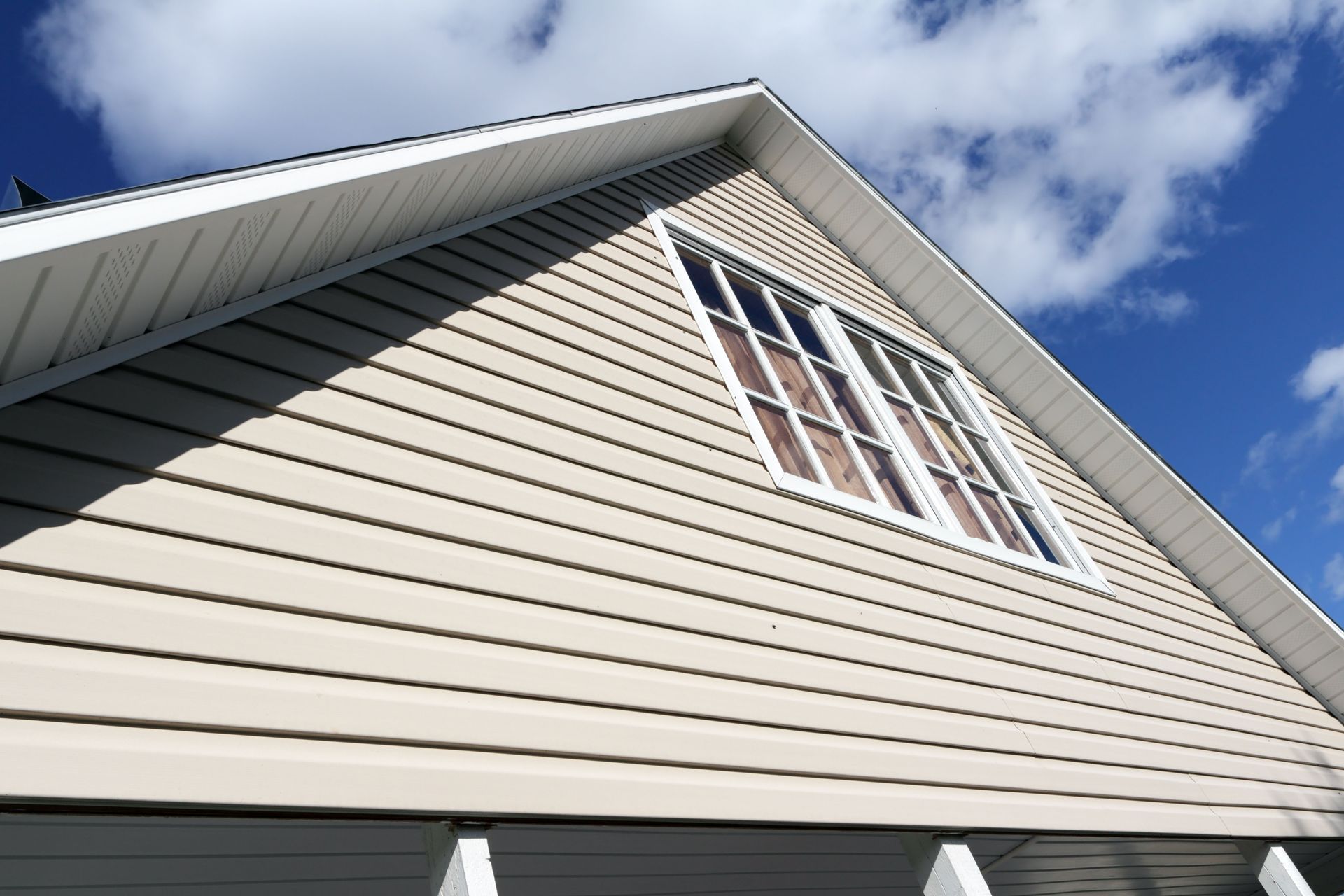
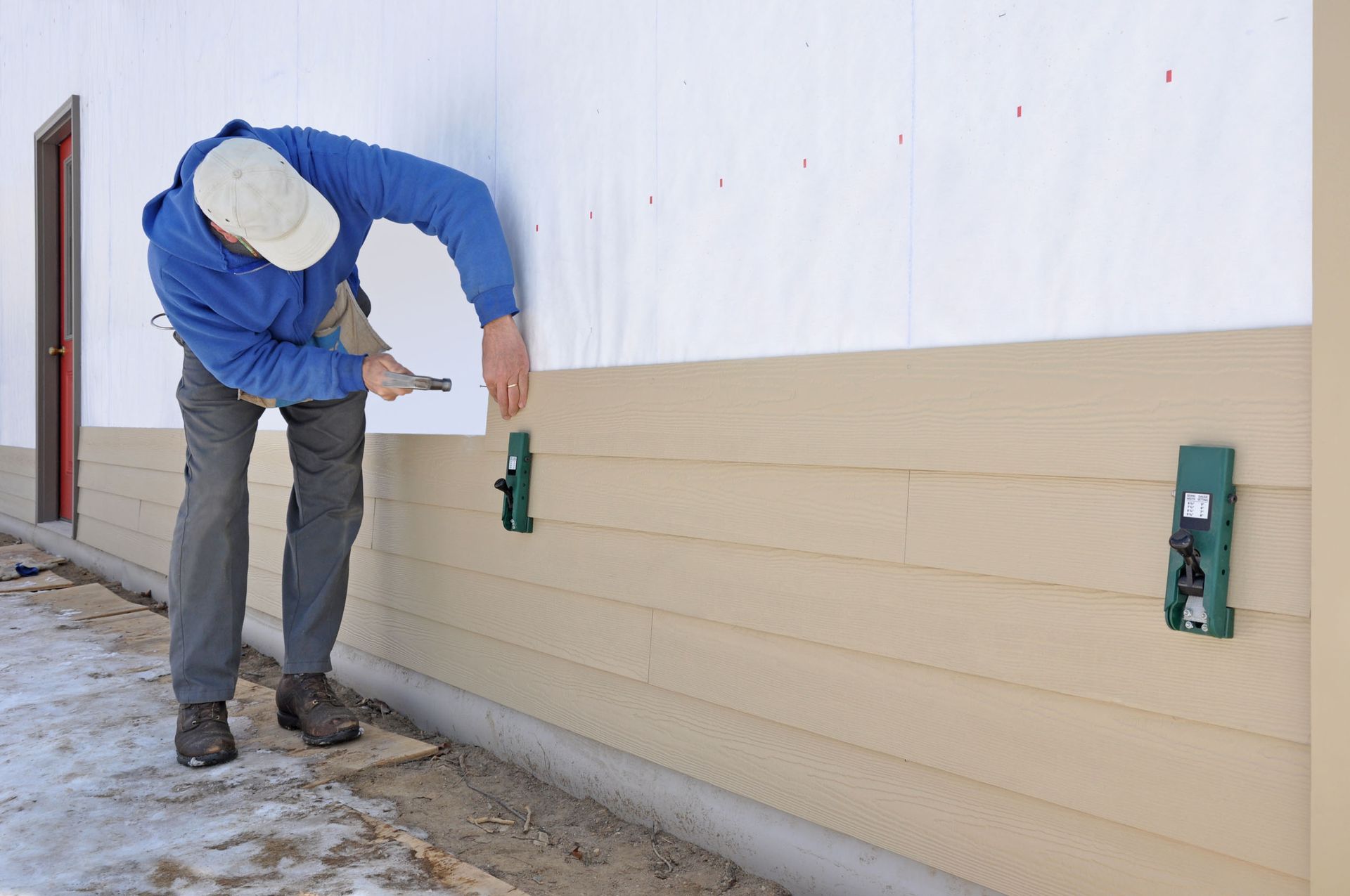
Roofing contractors may vary in the scope of services they provide. In addition to residential roofing replacement, some companies handle siding installation, window and skylight installation, exterior carpentry, rot repair, deck construction, and snow and ice management. Choosing a contractor capable of managing multiple exterior components can simplify coordination and create a smoother project experience.
Strategic Planning of Initial Consultation and Project Goals
Schedule a Consultation
The initial meeting establishes expectations for the project. During this consultation, you can discuss goals, timeline considerations, and any visible concerns. Clear communication early in the process supports smoother execution and helps guide your residential roofing project effectively.
Discuss Your Priorities
Share your priorities regarding durability, appearance, and budget. Whether your focus is long-term performance, coordinating with new siding, or resolving storm damage, outlining objectives ensures alignment between you and your contractor. This dialogue forms the foundation for a successful residential roofing replacement.
Understand the Inspection Process
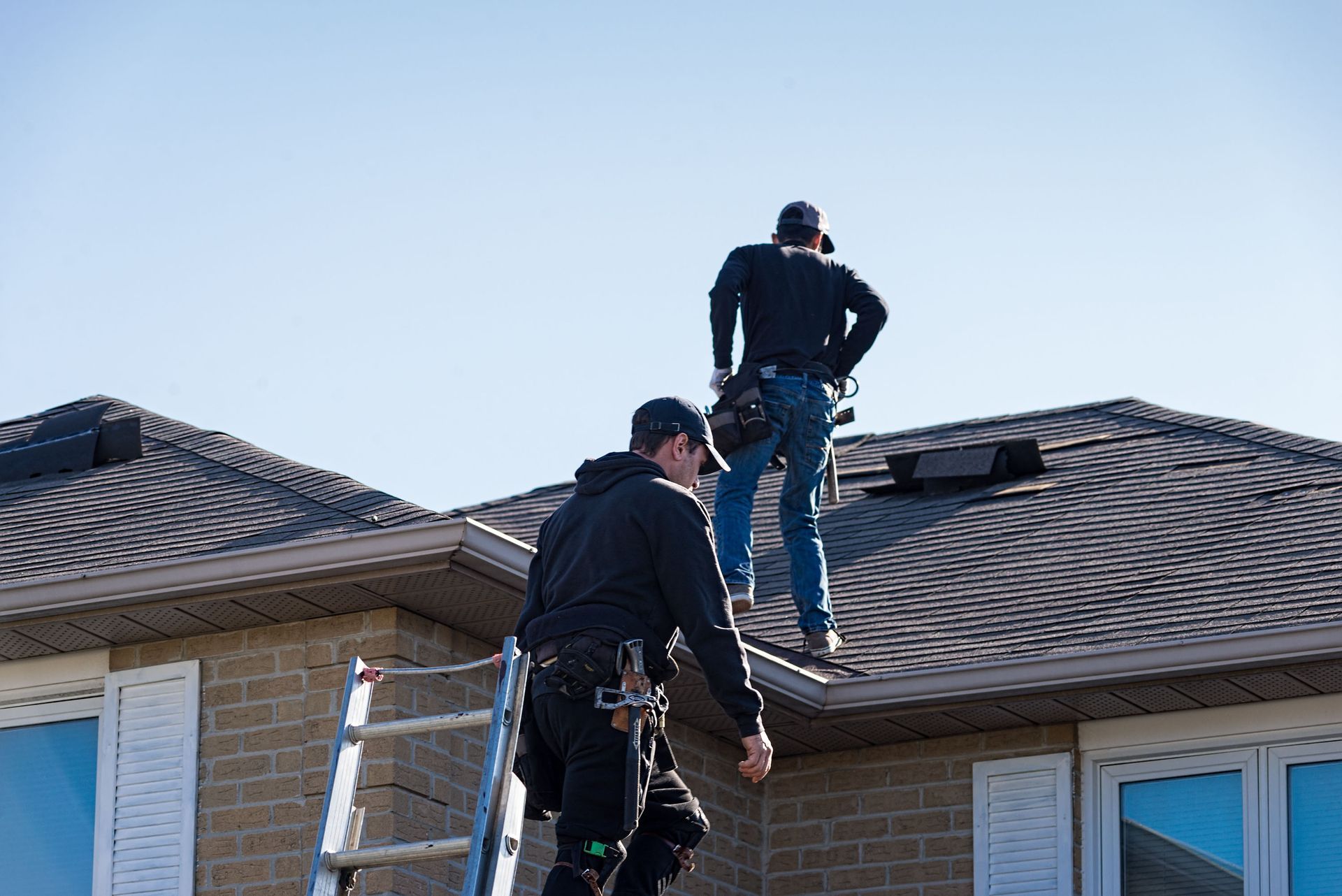
A thorough roof inspection identifies structural concerns, decking condition, flashing integrity, and ventilation performance. This assessment helps determine whether repairs are sufficient or full replacement is necessary. Accurate inspection results are crucial for planning a dependable residential roofing project.
Establish a Budget
Roof replacement costs vary based on home size, material selection, and structural repairs. Work with your contractor to understand projected expenses, including labor, materials, and debris removal. According to Home Light, a homeowner can expect to get 61% of the cost of a new asphalt roof back in home value, highlighting the financial benefit of investing in residential roofing.
Comprehensive Selection of Residential Roofing Materials
Review Available Roofing Options
Roofing systems are available in various styles and performance levels. During consultation, review available material options suitable for your home's structure and regional climate. Selecting appropriate materials supports long-term durability and the overall success of your residential roofing project.
Assess Durability and Performance
Different roofing systems offer varying levels of resistance to wind, moisture, and temperature fluctuations. Consider how each option performs under local weather conditions. Choosing durable materials reduces the likelihood of premature deterioration and extends the life of your residential roofing system.
Coordinate Exterior Aesthetics
A roof plays a significant role in curb appeal. Choose colors and styles that complement siding, trim, and windows. Coordinating exterior elements creates a cohesive appearance and enhances overall property presentation, improving the value and enjoyment of your home.
Evaluate Ventilation and Structural Components
Proper ventilation contributes to roof longevity and indoor comfort. During material selection, discuss ventilation improvements and any necessary structural repairs to ensure the new system functions efficiently. These considerations are key to a successful residential roofing replacement.
Detailed Oversight of Installation Process
Understand the Stages of Installation
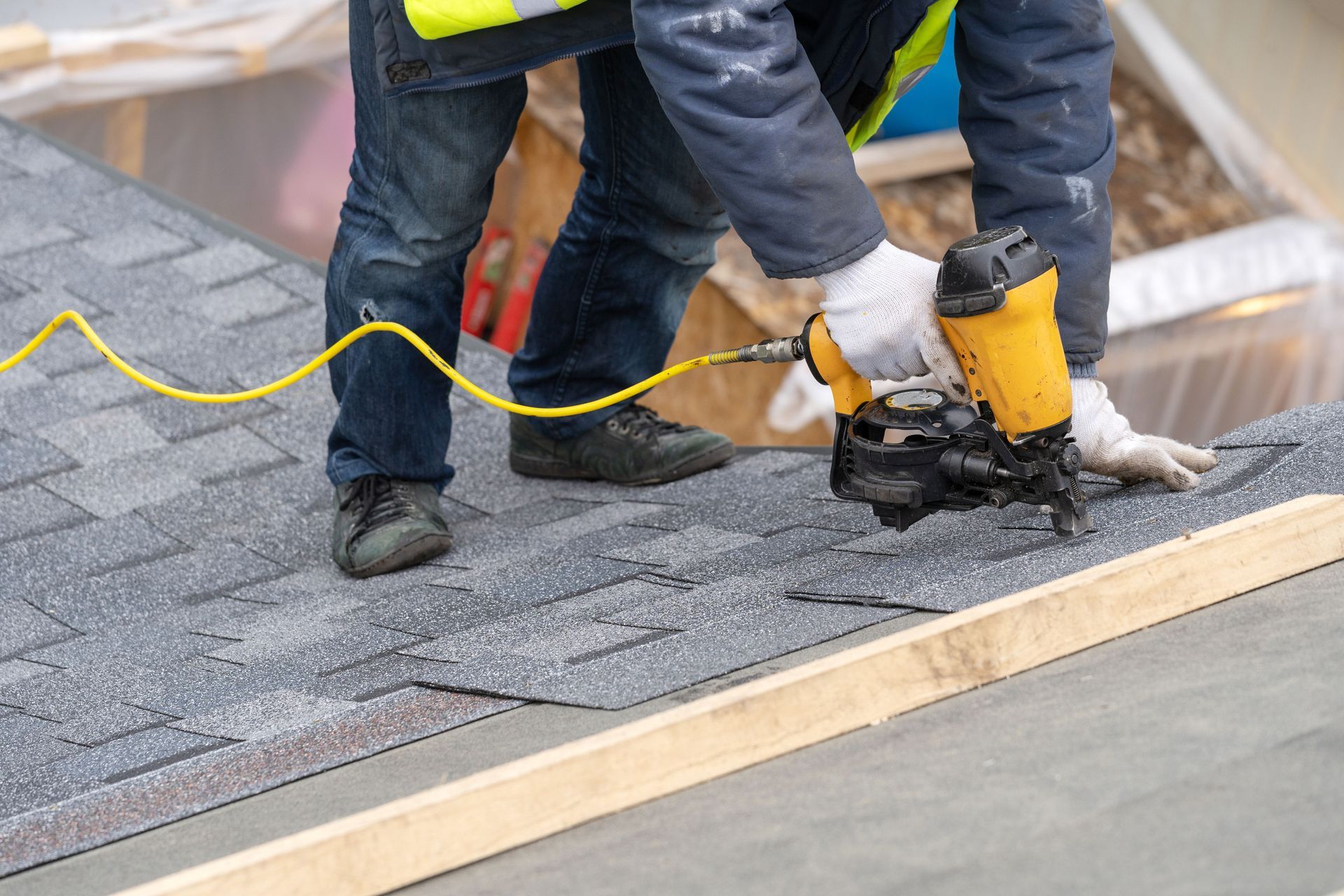
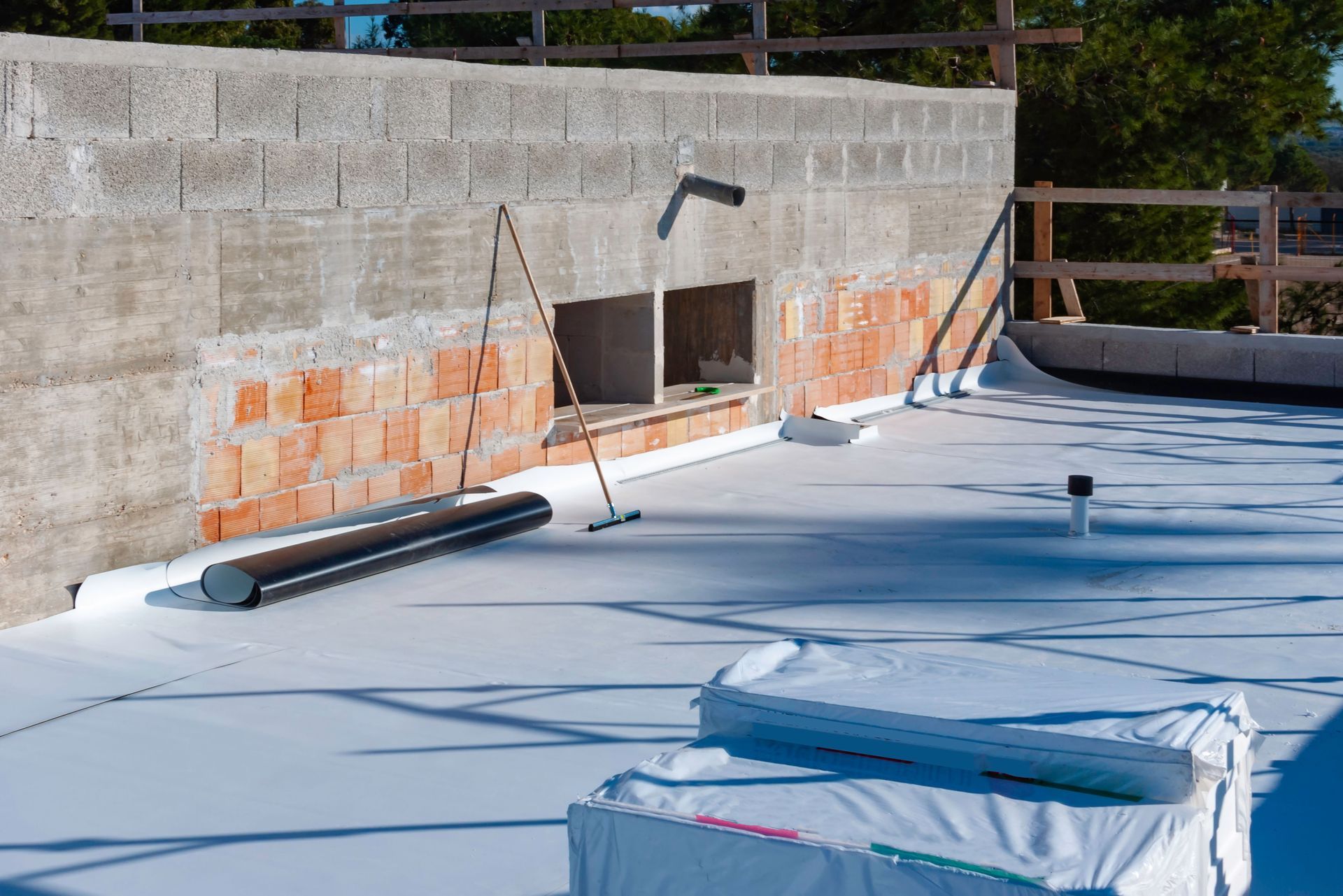
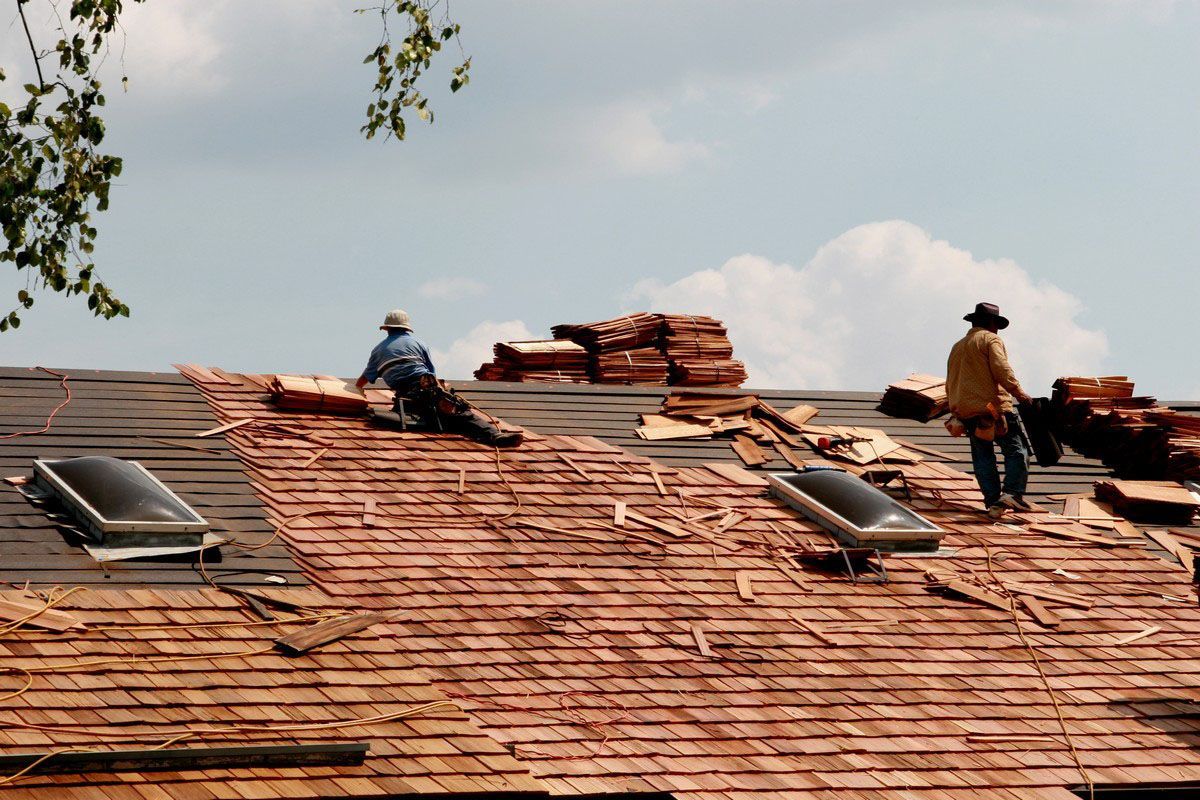
Roof replacement typically begins with the removal of existing materials, followed by inspection of the underlying decking. Necessary repairs are completed before installing underlayment, flashing, and new roofing materials. Understanding these phases helps homeowners anticipate each step of their residential roofing project.
Monitor Progress
Periodic communication with your contractor allows you to stay informed about progress. Addressing questions promptly supports steady project advancement. Active involvement ensures your residential roofing installation stays on schedule and meets quality expectations.
Maintain Clear Communication
Establish consistent communication throughout the installation process. Clear updates reduce misunderstandings and allow adjustments if needed. Maintaining this level of communication contributes to a positive residential roofing experience.
Address Unexpected Conditions
Occasionally, hidden damage such as deteriorated decking or rot may be discovered during removal. Prompt evaluation and repair of these issues ensure the integrity of the new roofing system. Properly handling unexpected conditions is vital for a durable and effective residential roofing upgrade.
Conduct a Final Inspection
A final walkthrough confirms that installation is complete and debris has been removed. Reviewing the finished work ensures it aligns with expectations before project closure. A thorough inspection guarantees your residential roofing project is completed to a high standard.
Proactive Maintenance of Long-Term Performance
Establish a Maintenance Plan
Routine inspections help extend the lifespan of your roof. Seasonal evaluations can identify minor concerns before they develop into significant problems. Maintaining a proactive maintenance plan ensures long-lasting performance of your residential roofing system.
Prepare for Winter Conditions
In regions with heavy snowfall, ensuring proper installation and ventilation reduces the likelihood of ice buildup and moisture intrusion. Scheduling inspections before winter helps identify vulnerabilities. These preventive measures support the longevity of residential roofing and the safety of your home.
Coordinate Future Exterior Improvements
If additional exterior projects such as siding replacement, window upgrades, skylight installation, deck construction, or rot repair are planned, coordinating these improvements strategically can reduce disruption and improve overall efficiency. Proper planning enhances the outcomes of your residential roofing and exterior projects.
Address Storm Damage
If your roof has sustained storm damage, a professional assessment is essential. Proper documentation and evaluation support accurate repair planning and may assist with insurance claim submissions. Timely action protects both the integrity of your residential roofing and the overall home structure.
Upgrading your residential roof calls for careful planning, smart material choices, and clear communication from start to finish. By understanding when replacement is necessary and working with knowledgeable professionals, homeowners can move forward with confidence and achieve lasting results from their residential roofing investment.
If you're considering a roof replacement or exploring additional exterior upgrades, MGS Construction LLC provides residential roofing, siding, window, and skylight installation, exterior carpentry, rot repair, deck construction, snow and ice management, and storm-related repair support. Learn more about how our team can help you plan and complete your next exterior improvement project.

Share On: